
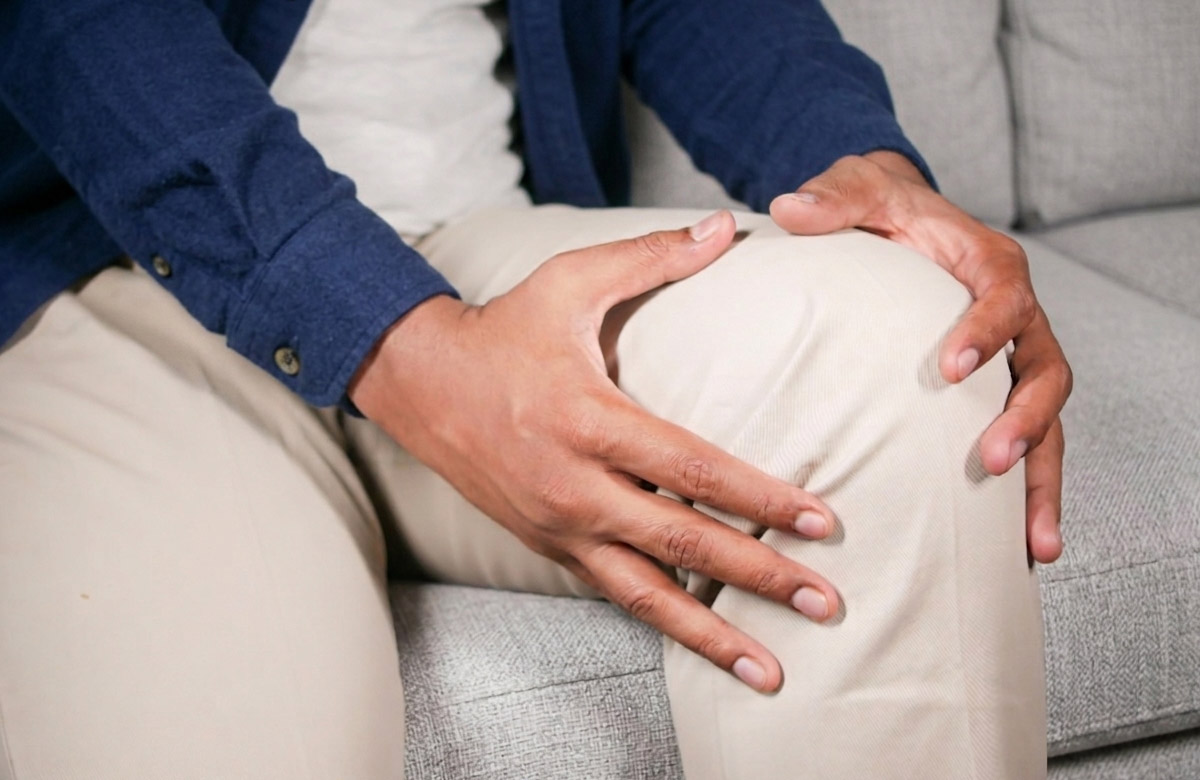
Knee rehabilitation: building strength and confidence
Rest may help a painful knee settle, but returning to normal activity can sometimes require more than waiting for the pain to disappear.
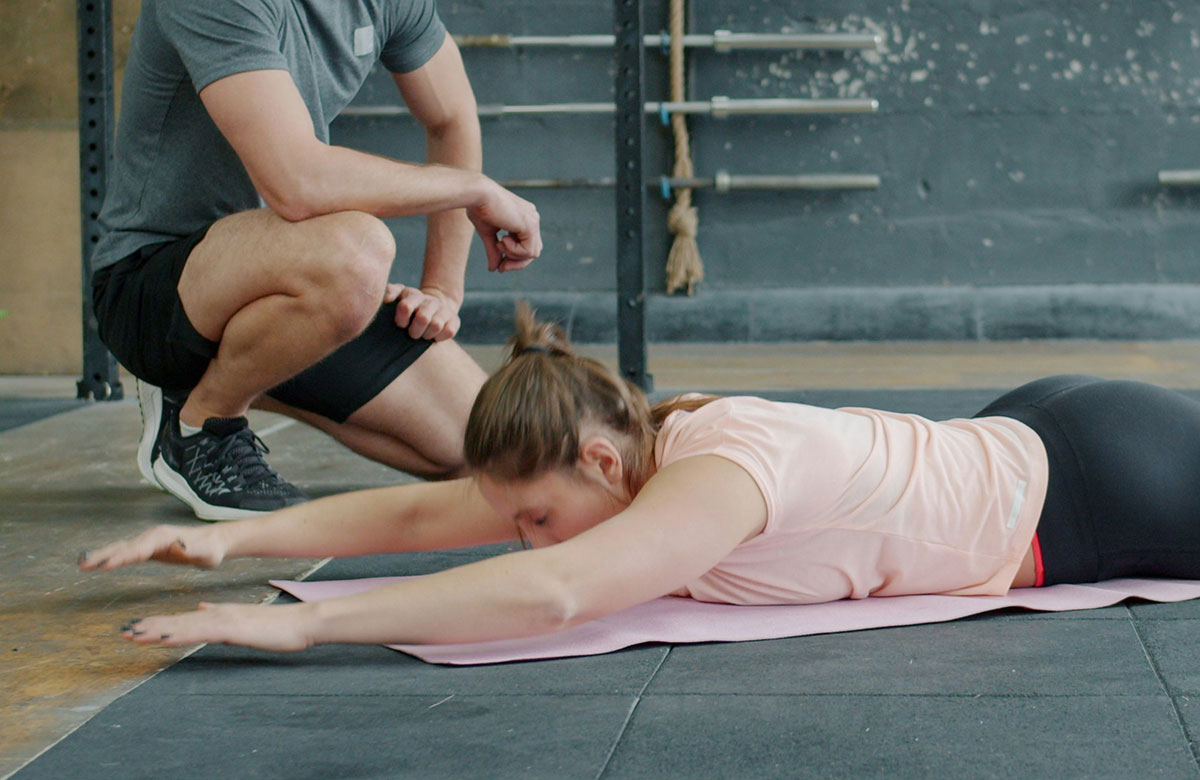
Knee rehabilitation uses gradually progressed exercises to improve movement, strength and confidence. It may be helpful for ongoing knee pain, following an injury or when preparing to return to work, exercise or sport.
What can knee rehabilitation include?
Depending on the problem, rehabilitation may include exercises to:
- improve comfortable knee movement;
- strengthen the muscles around the knee;
- strengthen the hip muscles where appropriate;
- improve balance and movement control;
- make walking and stairs easier;
- prepare for running, gym training or sport.
The exercises should be chosen according to the individual rather than using the same programme for everyone.
For example, NICE recommends therapeutic exercise tailored to the individual for people with osteoarthritis. This may include local muscle strengthening and general aerobic exercise.1
For patellofemoral pain – pain around or behind the kneecap – the Neal best-practice guide recommends knee-targeted exercise and education as the main approach. Hip-targeted exercise may also be included when it suits the individual findings.2
Why might rehabilitation look beyond the painful area?
Pain may be felt at the knee, but assessment does not always stop there.
For people with pain around or behind the kneecap, assessment may consider:
- hip and knee strength;
- lower-limb movement patterns;
- how the knee tolerates physical load;
- foot biomechanics;
- the activities that provoke the symptoms.
Depending on the findings, rehabilitation may include hip- and knee-targeted exercises. Movement or running retraining and prefabricated foot orthoses may also be considered as supporting options for selected people.2
These recommendations relate specifically to patellofemoral pain. They do not mean that every painful knee requires hip exercises, insoles or changes to running technique.
Why should exercises progress gradually?
Exercises that are too easy may not prepare the knee for more demanding activities. Increasing the difficulty too quickly, however, may aggravate pain or swelling.
Rehabilitation may begin with simple movements and strengthening exercises before progressing towards steps, squats, running, jumping or sport-specific tasks.
The appropriate level depends on:
- the likely cause of the symptoms;
- current strength and movement;
- how the knee responds after exercise;
- the activity you want to return to.
The goal is not simply to complete a list of exercises. It is to prepare the knee for the activities that matter to you, whether that means everyday movement, exercise or returning to sport.
Should rehabilitation be painful?
NICE advises that joint pain may initially increase when people with osteoarthritis begin therapeutic exercise. However, regular and consistent exercise can provide longer-term benefits for pain, physical function and quality of life.1
This does not mean that every increase in pain should be ignored. Rehabilitation should remain manageable and be adjusted if exercises cause sharp pain, marked swelling, locking, giving way or a clear worsening of symptoms.
Getting help with knee rehabilitation
An individual assessment can help determine which movements need attention and how quickly exercises should progress. At Resilience Osteopathy in Orpington, rehabilitation advice may be used alongside hands-on treatment and activity guidance where appropriate.
For people with hip or knee osteoarthritis, NICE advises that manual therapy should only be considered alongside therapeutic exercise, rather than used as a treatment on its own.1
More serious injuries, including ACL injuries, or concerning symptoms may require referral for medical assessment or further investigation.
Visit our knee pain treatment page to learn more about knee assessment and rehabilitation.
Frequently asked questions
How long does knee rehabilitation take?
There is no fixed timescale. It depends on the cause of the problem, how long it has been present and the activities you want to return to.
Do I need exercise equipment?
Many early exercises can be completed using body weight, a chair or a step. Resistance bands or weights may be introduced when greater resistance is appropriate.
Why might I be given hip exercises for knee pain?
For some people with pain around or behind the kneecap, hip weakness may be relevant to treatment selection. Hip exercises may therefore be included alongside knee-targeted rehabilitation when the assessment indicates that they are appropriate.
Will I need insoles or changes to my running technique?
Not everyone will. The Neal guide suggests that foot orthoses or movement and running retraining may be considered as supporting approaches for selected people, depending on the assessment findings.
How often should I perform knee exercises?
This depends on the exercise, the condition being managed and how the knee responds. More exercise is not always better, particularly if pain or swelling steadily increases.
When can I return to running or sport?
Returning should be based on movement, strength, confidence and the knee’s response to gradually increased activity – not simply on the number of days that have passed.

Need support with knee rehabilitation?
Learn more about knee pain treatment in Orpington, or book an appointment if knee pain is limiting your work, exercise or everyday activities. An assessment can help identify what’s contributing to your symptoms and guide a rehabilitation plan tailored to your goals.
References
- National Institute for Health and Care Excellence. Osteoarthritis in over 16s: diagnosis and management. NICE guideline NG226. London: NICE; 2022. ↩︎
- Neal BS, Lack SD, Bartholomew C, Morrissey D. Best practice guide for patellofemoral pain based on synthesis of a systematic review, the patient voice and expert clinical reasoning. Br J Sports Med. 2024;58(24):1486-1495. doi:10.1136/bjsports-2024-108110. ↩︎
Why people choose Resilience Osteopathy

Hands-on
osteopath in Orpington
Your symptoms, concerns, work, sport and daily activity all matter. Care is tailored to you and your individual goals.

Hands-on
osteopathic treatment
Treatment may include hands-on techniques to support comfort, mobility and movement, depending on your assessment findings.

Read about
knee pain treatment
Find out more about osteopathic care for knee pain in Orpington and what treatment may include.

Assessment and diagnosis
where appropriate
Your appointment includes a case history and physical assessment to help understand what may be contributing to your symptoms.