
Plantar fasciitis
Appointment-only osteopathic care for plantar fasciitis, heel pain, arch discomfort, morning stiffness and walking or activity-related foot symptoms at Resilience Osteopathy in Orpington.
- Pain under the heel
Pain or tenderness underneath the heel, which may sometimes extend into the arch of the foot. - Morning foot pain and stiffness
Pain and stiffness during the first few steps after getting out of bed or standing after a period of rest. Some people describe the initial sensation as feeling as though they are “walking on glass”, before it gradually eases as they begin moving. - Pain with walking or standing
Symptoms that become noticeable during prolonged walking, standing or other weight-bearing activities. - Running and training-related pain
Heel or arch discomfort associated with running, gym training, sport or a recent increase in activity.
Osteopathic care for plantar fasciitis in Orpington
Looking for plantar fasciitis treatment in Orpington?
Plantar fasciitis is a common cause of pain underneath the heel and along the arch of the foot. The plantar fascia is a strong band of tissue that helps support the arch of the foot. Symptoms are often particularly noticeable during the first few steps in the morning or when standing after a period of rest.
Heel and arch pain can make walking, standing, working and exercising uncomfortable. Symptoms may become more noticeable following changes in running distance, walking volume, training intensity, footwear or the amount of time spent standing.
At Resilience Osteopathy in Orpington, care begins with a clear assessment to understand your symptoms, how they started, what affects them and what may be contributing to the problem. Treatment is tailored to you and may include hands-on osteopathic care, movement advice, footwear and load-management guidance, and rehabilitation exercises where appropriate.
How osteopathy may help
Osteopathic care considers how the foot, ankle, calf and wider lower limb are moving. Your assessment may also consider strength, mobility, walking patterns, footwear, work demands and recent changes in training or activity.
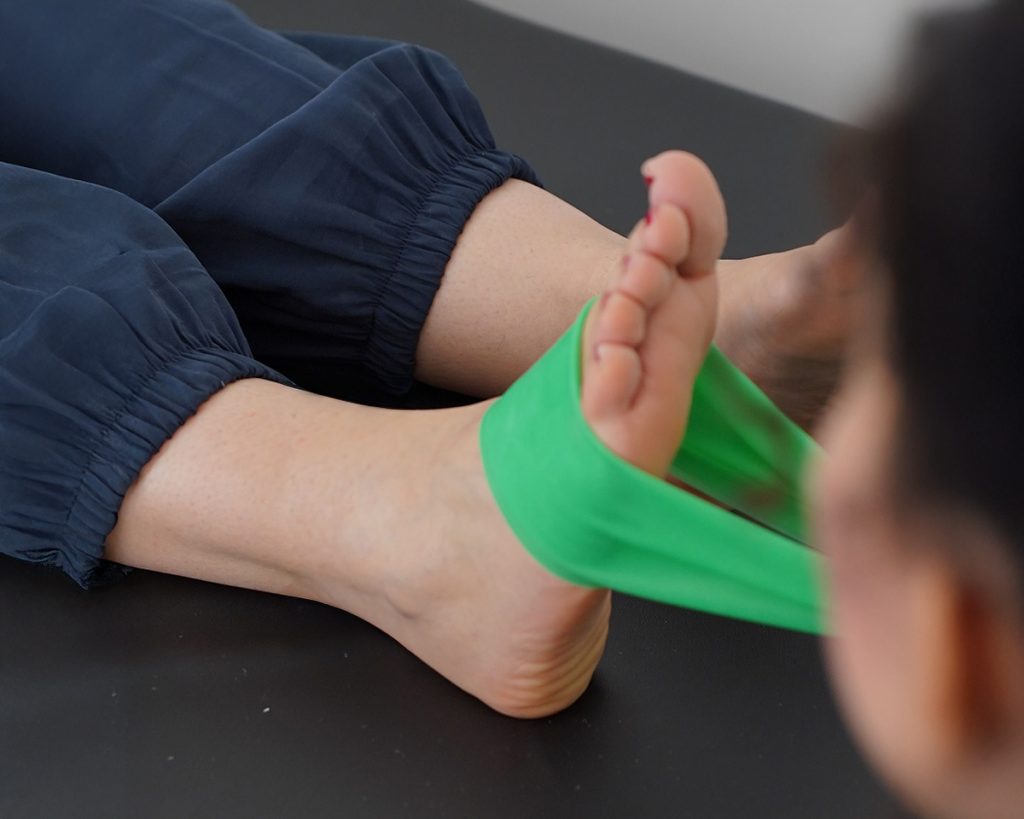
Where appropriate, your appointment may include hands-on osteopathic treatment to support comfort and movement, alongside advice about temporarily modifying aggravating activities. Rehabilitation may include mobility, stretching or progressive strengthening exercises based on your individual assessment.
Care is based on your symptoms, assessment findings, goals and general health. Heel pain can have several possible causes, so the assessment will also consider whether your symptoms are consistent with plantar fasciitis or whether medical review or further investigation may be appropriate.
What to expect at your appointment

Case history
We will discuss your heel or foot symptoms, when they began, what makes them better or worse, your health history, work, footwear, activity levels, previous injuries and treatment goals.

Assessment
Your assessment may include the foot, ankle, calf and other relevant areas of the lower limb, with movement, mobility, strength, balance and weight-bearing activities assessed to help identify contributing factors.

Treatment and advice
Where appropriate, care may include hands-on osteopathic treatment, movement advice, activity and load-management guidance, and tailored rehabilitation exercises.

Support for walking, work, running and everyday movement
Plantar fasciitis can affect more than exercise. It may make getting out of bed, walking to work, standing during the day or completing everyday tasks uncomfortable.
For runners and active people, heel pain can also affect training consistency and confidence. Attempting to continue at the same training volume despite increasing symptoms may make activity harder to manage.
Resilience Osteopathy supports people in Orpington who want clear advice, practical treatment and a plan that fits their lifestyle. The aim is to help you understand your symptoms, move more confidently and return to walking, work, running or sport in a realistic way.
Why people choose Resilience Osteopathy

Patient-centred
care in Orpington
Your symptoms, concerns, work, sport and daily activity all matter. Care is tailored to you and your individual goals.

Hands-on
osteopathic treatment
Treatment may include hands-on techniques to support comfort, mobility and movement, depending on your assessment findings.

Support through
exercise
You may be given simple rehabilitation exercises or movement advice to help support recovery between appointments.

Regulated
osteopathic care
Osteopathy is a regulated healthcare profession in the UK, supported by assessment, clinical reasoning and clear communication.
Common questions
What causes plantar fasciitis?
Plantar fasciitis may develop when the plantar fascia – the strong band of tissue supporting the arch of the foot – is repeatedly placed under more strain than it can comfortably manage.
It is not always possible to identify one specific cause. Symptoms may be associated with a sudden increase in walking or running, prolonged standing, exercising on hard surfaces, unsuitable or worn footwear, tightness around the calf and ankle, or changes in body weight.
Why is plantar fasciitis worse in the morning?
Pain is often worse during the first few steps after getting out of bed or when standing after sitting for a prolonged period. The initial steps may feel particularly sharp, and some people describe the sensation as feeling as though they are “walking on glass.”
The discomfort may ease as the foot begins moving, although it can return following prolonged standing, walking, running or other weight-bearing activity.
Will plantar fasciitis heal without treatment, and how long does recovery take?
Plantar fasciitis often improves gradually with time and appropriate self-management. However, recovery varies considerably between people and may depend on how long the symptoms have been present, activity demands and contributing factors.
Some people improve within several weeks or months, while persistent cases can take considerably longer. The Royal National Orthopaedic Hospital advises that symptoms may sometimes take up to 18 months to clear. Treatment, rehabilitation and appropriate load management may help support recovery, but no exact recovery time can be guaranteed.
Can I still walk or run with plantar fasciitis?
You may not always need to stop activity completely, but continuing with the same amount of walking or running despite increasing pain may aggravate your symptoms.
It may be helpful to temporarily reduce your distance, speed, frequency or time spent on your feet. Lower-impact activities that do not significantly increase your symptoms may help you maintain fitness while the foot settles. Your return to running should be gradual and guided by how the foot responds during the activity and afterwards.
Should I stretch plantar fasciitis?
Gentle stretches for the plantar fascia and calf may form part of a plantar fasciitis management plan. Stretching should feel controlled and should not cause sharp pain or leave your symptoms noticeably worse.
Stretching alone may not address every contributing factor. Depending on your assessment, rehabilitation may also include progressive strengthening, movement advice, footwear guidance and changes to walking or training load.
When should I see an osteopath about plantar fasciitis?
Consider arranging an assessment if heel or arch pain is affecting your walking, work, running, training or everyday activities; if the symptoms keep returning; or if you are unsure how much activity you should continue.
An osteopathic assessment can consider your foot and ankle movement, calf mobility, strength, walking or running demands and other factors that may be contributing. Where appropriate, you may receive hands-on treatment, activity guidance and tailored rehabilitation exercises.
Seek medical advice if the pain is severe, worsening, stopping you from completing normal activities or has not improved after two weeks of self-care. You should also seek medical advice if you experience tingling or loss of sensation, or if you have diabetes and develop foot pain.

Book plantar fasciitis treatment in Orpington
If heel pain, arch discomfort or morning foot stiffness is affecting how you walk, work, run, train or manage everyday life, contact Resilience Osteopathy to arrange an appointment.
Appointments are available by prior booking only.
Private Medical Insurance