
Golfer’s elbow
Appointment-only osteopathic care for inner elbow pain, forearm tightness, gripping discomfort and activity-related elbow symptoms at Resilience Osteopathy in Orpington.
- Inner elbow pain
Pain or tenderness around the bony area on the inside of the elbow, which may sometimes spread into the forearm. - Pain with gripping or kifting
Discomfort when gripping objects, carrying shopping, lifting weights, opening jars or performing repeated hand movements. - Forearm tightness
Tightness, aching or fatigue through the muscles on the inside of the forearm, particularly following repeated activity. - Sport or work-related symptoms
Pain during golf, racket sports, throwing, weight training, gardening, manual work or prolonged computer use.
Osteopathic care for golfer’s elbow in Orpington
Golfer’s elbow can cause pain and tenderness around the inside of the elbow, sometimes extending into the forearm. Symptoms can affect gripping, lifting, carrying, typing, manual work and sporting activities.
Despite its name, golfer’s elbow doesn’t only affect golfers. Symptoms may develop following repeated gripping, lifting, pulling, throwing or wrist movements. It may affect people involved in racket sports, weight training, manual occupations, gardening or other repetitive activities involving the hand and forearm.
At Resilience Osteopathy in Orpington, care begins with a clear assessment to understand your symptoms, how they started, which activities aggravate them and what may be contributing to the problem. Treatment is tailored to you and may include hands-on osteopathic care, movement advice, load management and rehabilitation exercises where appropriate.
How osteopathy may help
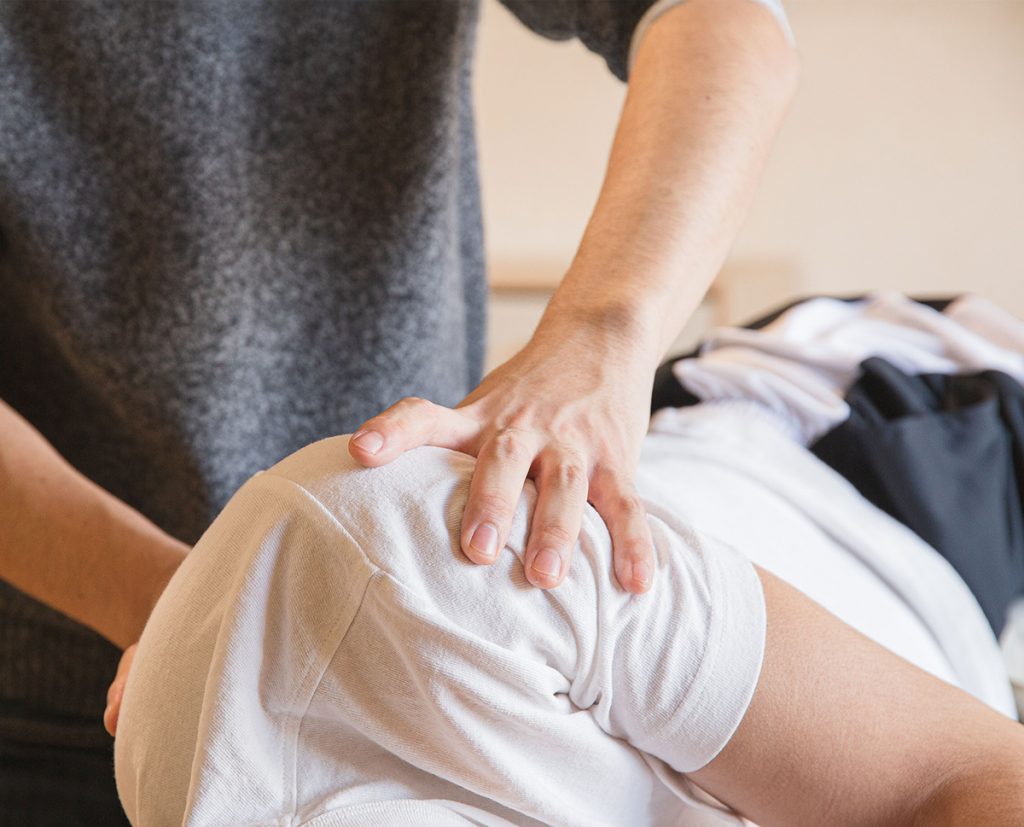
Osteopathic care considers how the elbow, wrist, forearm, shoulder and surrounding muscles and tendons are functioning. Your posture, movement habits, work demands, sporting technique and recent changes in activity or training load may also be considered.
Depending on your assessment, your appointment may include hands-on osteopathic treatment to relevant muscles and joints, together with advice on modifying aggravating activities. Load management and rehabilitation exercises may be used to help gradually improve the forearm’s ability to tolerate gripping, lifting and sporting activity.
Care is based on your assessment findings, symptoms, goals and general health. If your symptoms suggest that medical review or further investigation is required, you will be advised appropriately.
What to expect at your appointment

Case history
We will discuss your elbow symptoms, how they began, which movements affect them and how they influence your work, sport and everyday activities. Your general health, previous injuries and treatment goals will also be considered

Assessment
Your assessment may include elbow, wrist, forearm and shoulder movement, together with relevant strength and loading tests. This helps identify factors that may be contributing to your symptoms

Treatment and advice
Where appropriate, care may include hands-on osteopathic treatment, movement advice, guidance on managing aggravating activities and tailored rehabilitation exercises.
Support for grip, work, sport and everyday activity
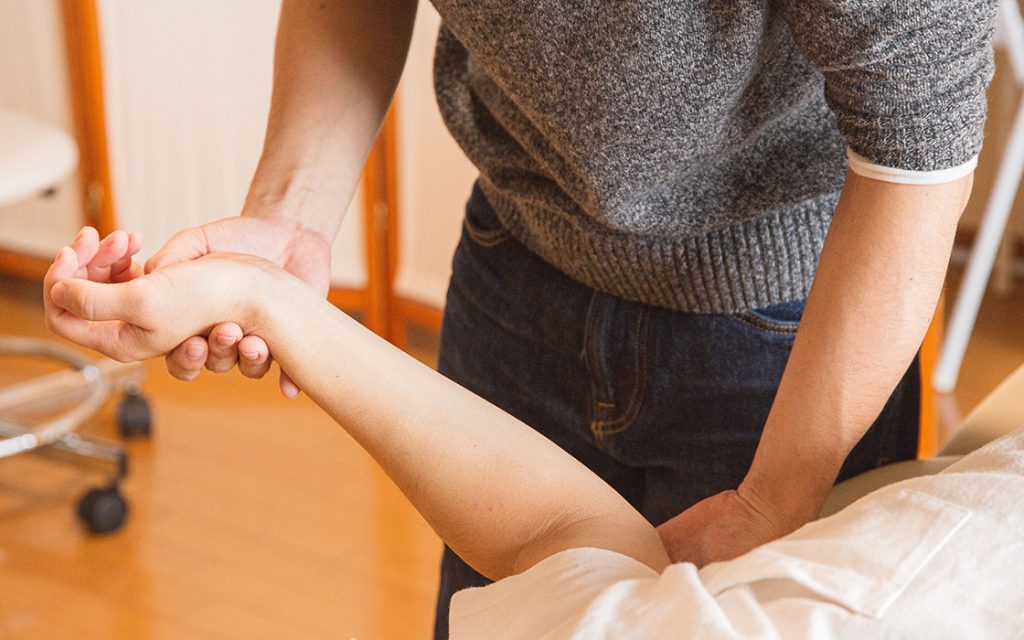
Golfer’s elbow can make straightforward activities such as carrying bags, using tools, lifting weights or gripping sports equipment uncomfortable. Repeatedly testing the painful movement or continuing with the same level of loading may make symptoms more difficult to settle.
You may be advised to temporarily adjust certain activities rather than stopping everything completely. The appropriate approach will depend on the severity of your symptoms, how long they have been present and the demands you need to return to.
Resilience Osteopathy supports people in Orpington who want clear advice, practical treatment and a plan that fits their lifestyle. The aim is to help you understand your symptoms, improve confidence in using the arm and gradually return to work, training, sport and everyday activity.
Why people choose Resilience Osteopathy

Patient-centred
care in Orpington
Your symptoms, concerns, work, sport and daily activity all matter. Care is tailored to you and your individual goals.

Hands-on
osteopathic treatment
Treatment may include hands-on techniques to support comfort, mobility and movement, depending on your assessment findings.

Support through
exercise
You may be given simple rehabilitation exercises or movement advice to help support recovery between appointments.

Regulated
osteopathic care
Osteopathy is a regulated healthcare profession in the UK, supported by assessment, clinical reasoning and clear communication.
Common questions
What causes golfer's elbow?
Golfer’s elbow is commonly associated with repeated or increased loading of the muscles and tendons that attach to the inside of the elbow. Activities involving gripping, lifting, pulling, throwing or repeated wrist movements may contribute.
Despite its name, you do not need to play golf to develop it. It can also affect people who perform manual work, gardening, weight training, racket sports or other repetitive hand and forearm activities.
Will golfer's elbow heal without treatment?
Golfer’s elbow may gradually improve with time, particularly when aggravating activities are temporarily reduced or modified. However, repeatedly overloading the painful area without allowing it to adapt can make symptoms more persistent.
An assessment may be helpful if the pain is not improving, keeps returning or is affecting your ability to work, exercise or manage everyday activities.
Can I continue exercising or playing golf?
You may not need to stop all exercise, but activities that noticeably aggravate your elbow may need to be reduced or adapted temporarily. This could include changing the weight used, reducing gripping volume, adjusting technique or allowing more recovery between sessions.
A gradual return to normal loading is generally more useful than repeatedly testing the painful movement or avoiding use of the arm completely. The appropriate level of activity will depend on your symptoms and assessment findings.
How long does golfer's elbow take to recover?
Recovery time varies between people. Some cases settle within several weeks, while symptoms that have been present for longer or continue to be aggravated may take several months to improve.
Factors such as your work, training demands, general health, symptom duration and ability to manage the activities that trigger the pain can all influence recovery.
Should I stretch golfer's elbow?
Gentle movement may help maintain mobility, but stretching should not be forced into significant pain. Stretching alone may not address the tendon’s ability to tolerate gripping, lifting and other loads.
Depending on your assessment, rehabilitation may include a combination of comfortable movement, progressive strengthening and advice on managing aggravating activities.
When should I see an osteopath about golfer's elbow?
Consider arranging an assessment if inner elbow pain is persistent, repeatedly returns, limits your grip or affects work, exercise, sport or everyday tasks.
An osteopathic assessment can also help determine whether your symptoms appear consistent with golfer’s elbow or whether another part of the elbow, wrist, forearm, shoulder or neck may be contributing.
Seek appropriate medical attention more urgently following a significant injury, or if you develop severe pain, marked swelling, deformity, substantial loss of movement or worsening numbness or weakness.
Book golfer’s elbow treatment in Orpington
If inner elbow pain, gripping discomfort or forearm symptoms are affecting how you work, train, play sport or manage everyday activities, contact Resilience Osteopathy to arrange an appointment.
Appointments are available by prior booking only.
Private Medical Insurance