
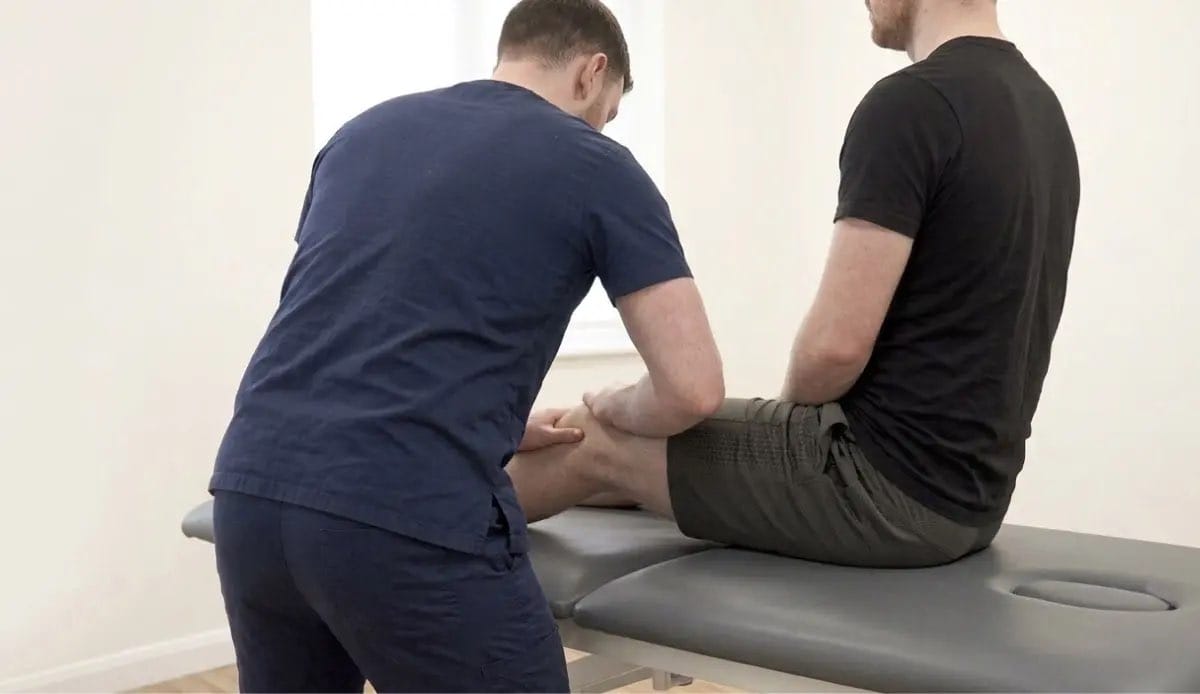
Knee pain
Appointment-only osteopathic assessment and treatment for knee pain, stiffness and restricted movement with a registered osteopath in Orpington
- Pain with stairs
Knee discomfort when going up or down stairs, standing from sitting, squatting or kneeling. - Running-related knee pain
Pain or aching around the knee during running, after training or when increasing distance or intensity. - Knee stiffness
Reduced movement, tightness or stiffness that makes walking, bending or everyday movement feel restricted. - Activity related pain
Knee symptoms linked with sport, gym training, work demands, lifting, twisting or changes in activity.
Osteopathic care for knee pain in Orpington
Knee pain can affect walking, stairs, running, sport, gym training, squatting, kneeling and everyday movement. Some people notice knee pain after an injury, twist, fall or increase in activity. Others develop aching, stiffness or discomfort gradually over time.
Knee pain may be linked with the knee joint itself, surrounding muscles, tendons, hip movement, ankles, feet, training load, posture, movement habits or previous injury. Symptoms may feel sharp, aching, stiff, swollen, tight, unstable or uncomfortable during movement or activity.
At Resilience Osteopathy in Orpington, care begins with a clear assessment to understand your symptoms, how they started, what affects them and what may be contributing to the problem. Treatment is tailored to you and may include hands-on osteopathic care, movement advice, load management and rehabilitation exercises where appropriate.
How osteopathy may help
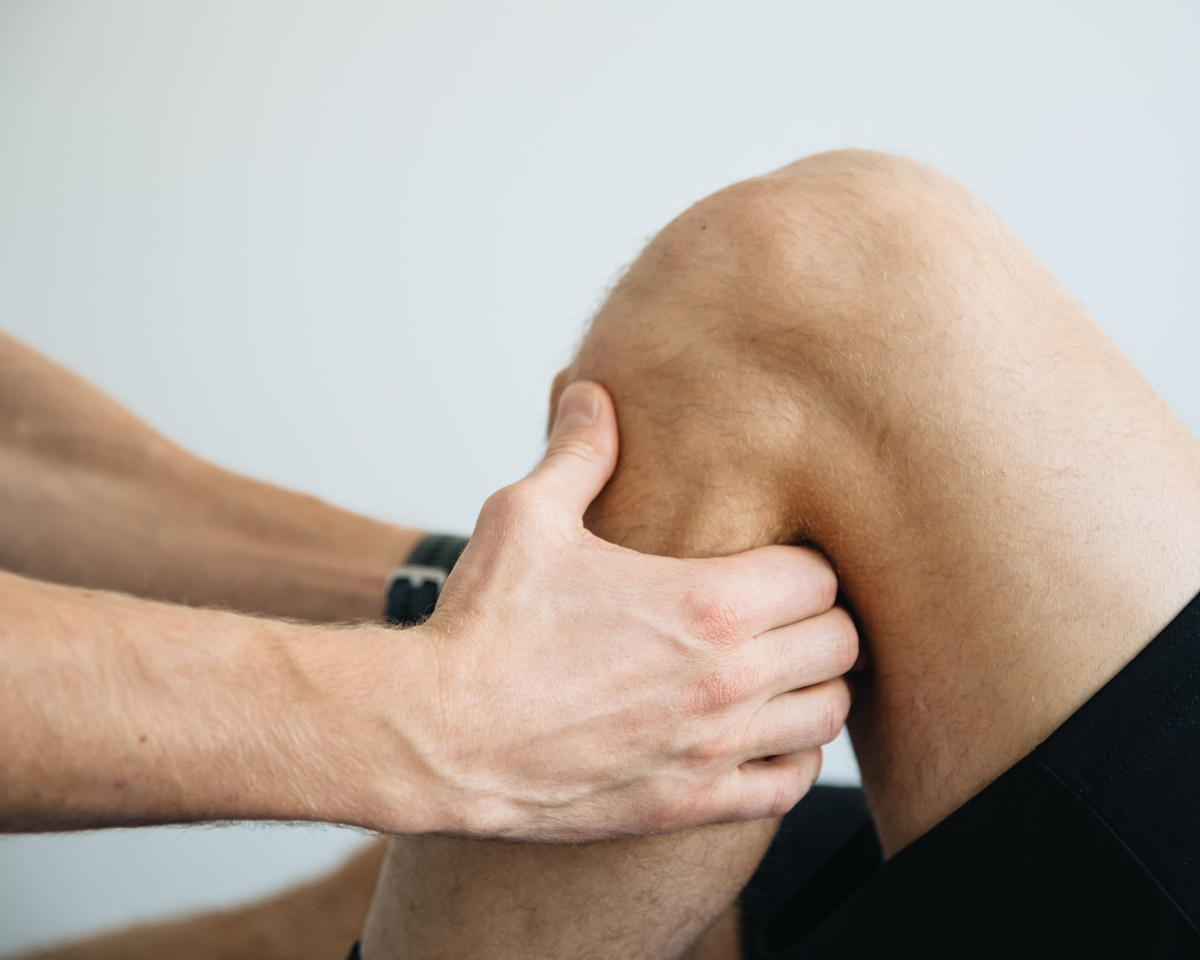
Osteopathic care looks at how your knee, hips, ankles, muscles, joints, posture, strength and movement habits may be contributing to your symptoms. The aim is to understand the bigger picture, rather than only focusing on the painful area.
Your appointment may include hands-on osteopathic treatment to support mobility and comfort, along with advice to help you manage symptoms between appointments. Where appropriate, you may also be given knee rehabilitation exercises to support movement, strength, control and confidence.
Treatment is always based on your assessment findings, symptoms, goals and general health. If your symptoms suggest that medical review or further investigation is needed, you will be advised appropriately
What to expect at your appointment

Case history
We discuss your symptoms, health history, work, activity levels, previous injuries and what you want to get back to

Assessment
Your movement, posture, back, hips, pelvis and related areas may be assessed to help understand contributing factors

Treatment and advice
Where appropriate, care may include hands-on treatment, movement advice and tailored exercises to support recovery
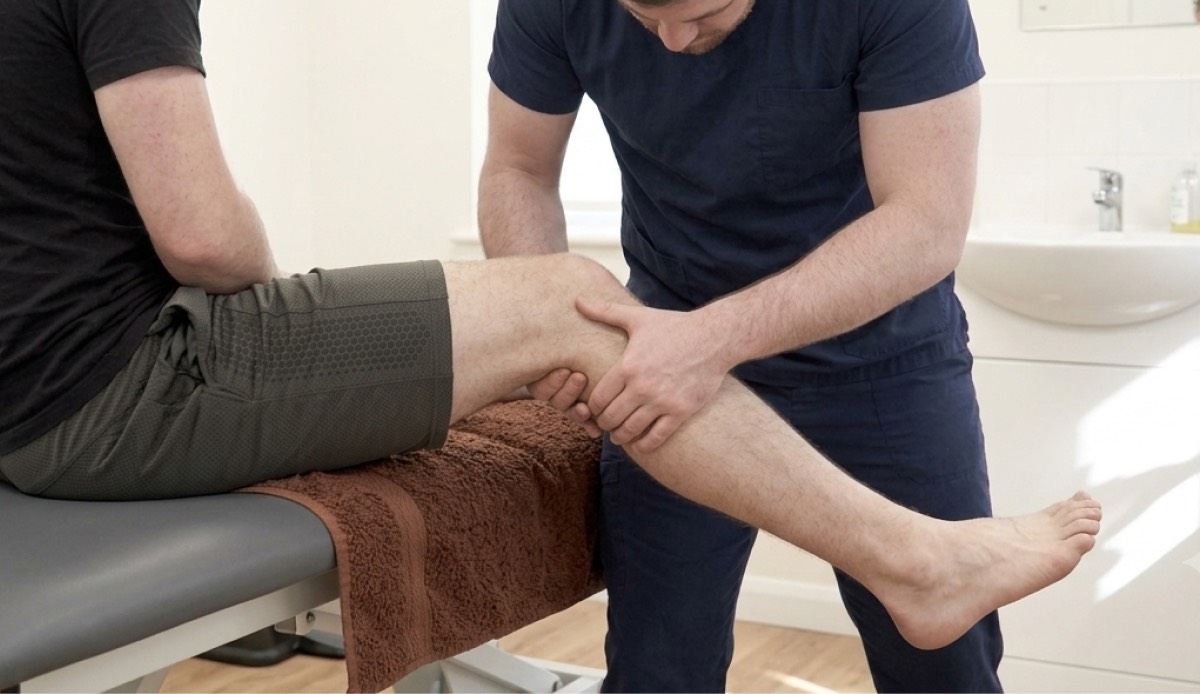
Support for walking, work, sport and everyday movement
Knee pain can affect people in different ways. For some, it may make walking, stairs, driving, kneeling or work tasks more difficult. For others, it may interfere with running, gym training, football, rugby, cycling, sport or returning to activity after injury.
Resilience Osteopathy supports people in Orpington who want clear advice, practical treatment and a plan that fits their lifestyle. The aim is to help you understand your symptoms, move more confidently and return to everyday activity, work or sport in a realistic way.
Why people choose Resilience Osteopathy

Patient-centred
care in Orpington
Your symptoms, concerns, work, sport and daily activity all matter. Care is tailored to you and your individual goals.

Hands-on
osteopathic treatment
Treatment may include hands-on techniques to support comfort, mobility and movement, depending on your assessment findings.

Support through
exercise
You may be given simple rehabilitation exercises or movement advice to help support recovery between appointments.

Regulated
osteopathic care
Osteopathy is a regulated healthcare profession in the UK, supported by assessment, clinical reasoning and clear communication.
After years of back and knee problems, Dave identified and corrected the underlying issue and I am now pain free and able to go about day to day life without any problems.
I highly recommend Dave, he’s very professional, knowledgeable and a great guy.
Peter Google Review
Common questions
What are the common causes of knee pain?
Knee pain can have many possible causes. It may develop after a specific injury, such as a twist, fall or sporting incident, or gradually because of repeated loading, changes in activity, muscle weakness or reduced movement.
Common problems include irritation of the tendons around the knee, kneecap-related pain, ligament or cartilage injuries and osteoarthritis. Sometimes the way the hip, ankle or foot is moving can also affect how forces are distributed through the knee.
A thorough assessment can help identify the most likely cause and whether treatment, rehabilitation exercises or further medical investigation may be appropriate.
Can an osteopath help with knee pain?
Osteopathic care may help some people experiencing musculoskeletal knee pain. The first step is to understand when the pain started, what activities aggravate it and how it is affecting work, exercise or everyday life.
The assessment may include an examination of the knee as well as relevant areas such as the hip, ankle and lower back. Treatment may include hands-on techniques, movement advice and an individual rehabilitation programme designed around the patient’s symptoms and goals.
Not every knee condition is suitable for osteopathic treatment. Where appropriate, referral to a GP or another healthcare professional may be recommended for further assessment.
Should I rest or continue exercising with knee pain?
Complete rest is not always necessary and, in many cases, carefully managed movement can be helpful. However, the correct level of activity will depend on the cause and severity of the symptoms.
It may be helpful to temporarily reduce activities that noticeably aggravate the knee while continuing with movements that remain comfortable. Rehabilitation exercises can then be introduced and progressed gradually to improve strength, control and confidence.
Severe pain, substantial swelling, locking, repeated giving way or an inability to bear weight should be assessed rather than exercised through.
Will I need a scan for my knee pain?
Many knee problems can initially be assessed through a detailed history and physical examination, and a scan is not always required.
Imaging may be considered when there has been significant trauma, the diagnosis remains unclear, symptoms are not improving as expected or the examination suggests that further investigation is needed.
Osteopathic assessment does not replace medical imaging when it is clinically necessary. Where appropriate, the patient may be advised to speak to their GP or another healthcare professional.
When should knee pain be assessed urgently?
Urgent medical advice should be sought if the knee is extremely painful, badly swollen or has changed shape, or if it is not possible to move the knee or place weight through the leg.
Prompt advice should also be sought if the knee repeatedly gives way, becomes locked, or is hot, red and swollen alongside a fever or feeling generally unwell. These symptoms may require medical investigation rather than routine musculoskeletal treatment.
Following a significant injury, urgent assessment may also be required if there is rapid swelling, numbness, pins and needles or an inability to straighten the knee.
How long does knee pain take to improve?
The time it takes for knee pain to improve varies widely. Some people may notice an improvement almost immediately after reducing an aggravating activity or receiving appropriate advice or treatment, while other problems settle gradually over several days or weeks.
Longer-standing pain, osteoarthritis or more significant injuries may take several months and often require a progressive rehabilitation programme. Recovery is not always completely straightforward, and symptoms may occasionally flare as activity levels increase.
An assessment can help identify the likely cause, provide a more realistic timescale and guide a safe return to normal activity.
Not sure when knee pain should be checked?
Read our guide common causes of knee pain, when exercise may still be appropriate and when it may be worth getting further advice.

Book knee pain treatment appointment in Orpington
knee pain, stiffness or movement-related discomfort is affecting how you walk, work, train or manage everyday life, contact Resilience Osteopathy to arrange an appointment.
Appointments are available by prior booking only.
Private Medical Insurance