
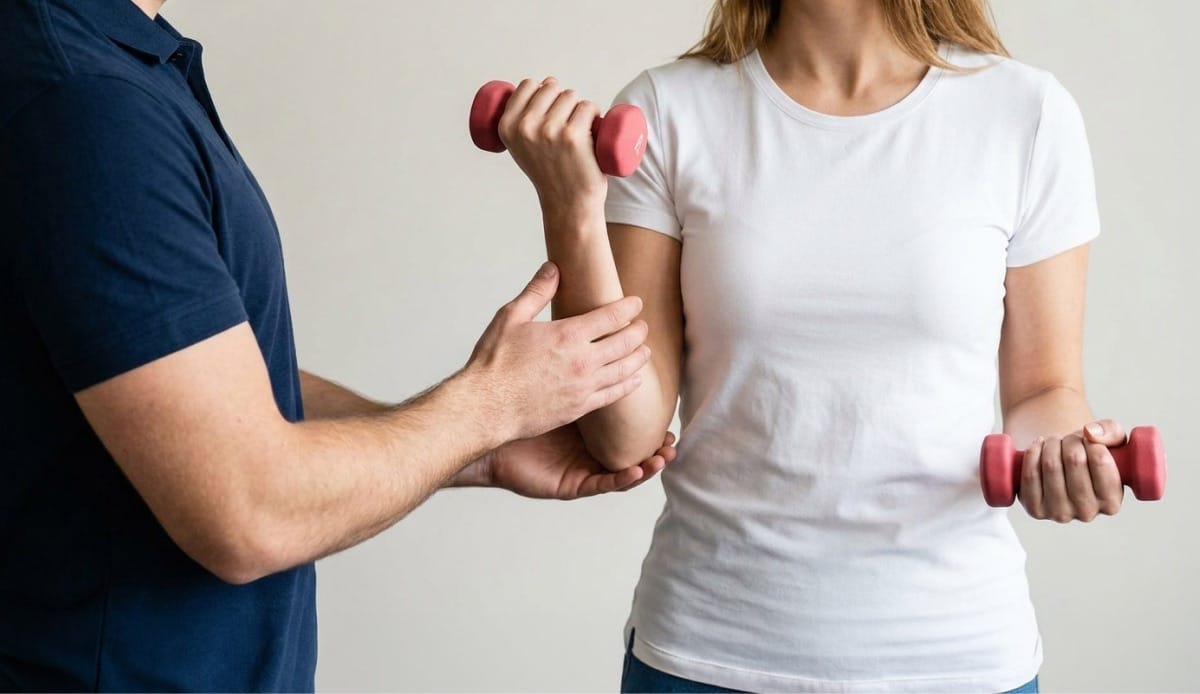
Rehabilitation exercises & movement advice
Appointment-only osteopathic assessment, rehabilitation exercises and movement advice to support recovery, strength, mobility and return to activity with a registered osteopath in Orpington.
- Mobility exercises
Simple exercises to support joint movement, reduce stiffness and help you move more freely during daily activity. - Strengthening exercises
Targeted exercises to help build strength, control and confidence after pain, injury or reduced activity. - Return-to-activity advice
Guidance to help you return to work, exercise, running, sport or daily tasks in a realistic and manageable way. - Load management
Advice on managing training, work demands, activity levels and recovery so your body can adapt over time.
Rehabilitation exercises and movement advice in Orpington
Rehabilitation exercises and movement advice can be an important part of recovering from pain, stiffness, injury or movement-related discomfort. They can help support mobility, strength, control, balance, confidence and your ability to return to everyday activity, work, exercise or sport.
Exercises may be useful for people recovering from back pain, neck pain, sports injuries, running injuries, joint stiffness, shoulder pain, hip pain, knee pain, postural pain or general muscle and joint discomfort. The right exercises depend on your symptoms, assessment findings, goals and current ability.
At Resilience Osteopathy in Orpington, rehabilitation advice is tailored to you. The aim is not to give a generic list of exercises, but to provide clear, practical guidance that fits your body, your lifestyle and what you want to get back to.
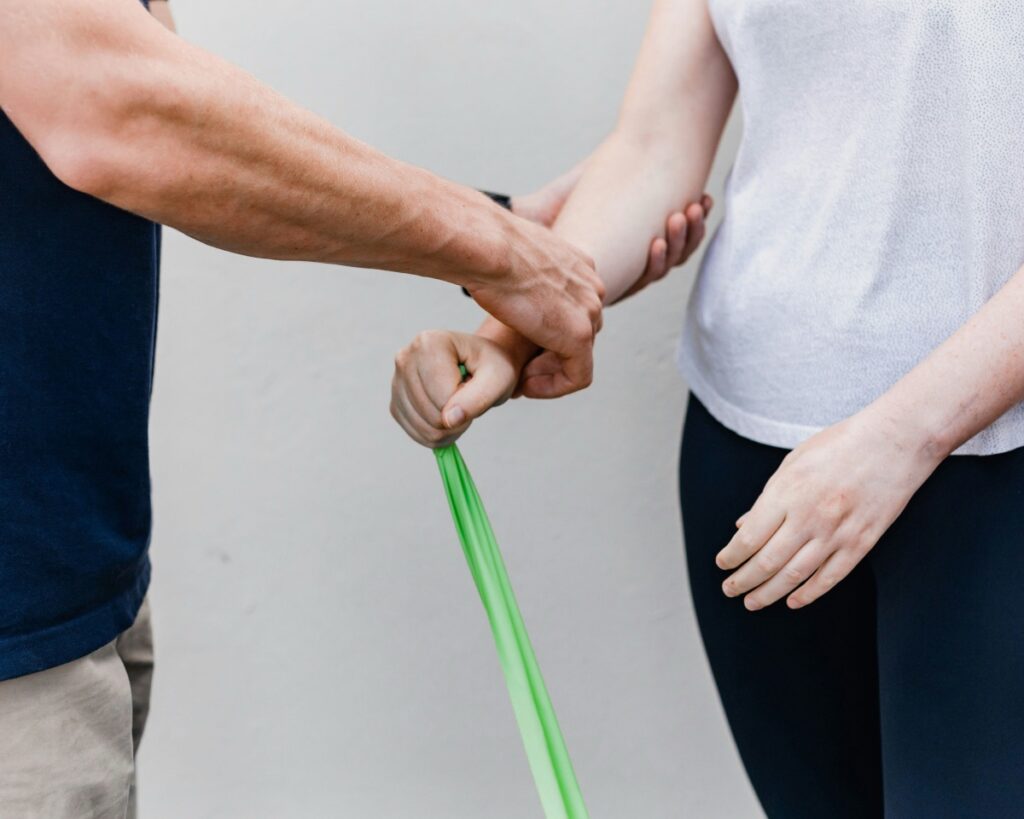
How osteopathy may help
Osteopathic care looks at how your joints, muscles, posture, movement patterns, strength and daily demands may be contributing to your symptoms. This can help identify which exercises and movement strategies may be most appropriate for you.
Your appointment may include hands-on osteopathic treatment to support mobility and comfort, combined with practical rehabilitation exercises and movement advice. Exercises are usually kept clear, manageable and relevant to your goals, rather than overly complicated.
Treatment and exercise advice are always based on your assessment findings, symptoms, goals and general health. If your symptoms suggest that medical review or further investigation is needed, you will be advised appropriately.
What to expect at your appointment

Case history
We discuss your symptoms, health history, work, activity levels, previous injuries and what you want to get back to

Assessment
Your movement, posture, back, hips, pelvis and related areas may be assessed to help understand contributing factors

Treatment and advice
Where appropriate, care may include hands-on treatment, movement advice and tailored exercises to support recovery

Support for recovery, movement and confidence
Rehabilitation is not only about doing exercises. It is also about understanding how to move, how much to do, when to progress and how to return to activity without feeling unsure or overwhelmed.
Resilience Osteopathy supports people in Orpington who want clear advice, practical treatment and a plan that fits their lifestyle. The aim is to help you move more confidently, build resilience and return to everyday activity, work, exercise or sport in a realistic way.
Why people choose Resilience Osteopathy

Patient-centred
care in Orpington
Your symptoms, concerns, work, sport and daily activity all matter. Care is tailored to you and your individual goals.

Hands-on
osteopathic treatment
Treatment may include hands-on techniques to support comfort, mobility and movement, depending on your assessment findings.

Support through
exercise
You may be given simple rehabilitation exercises or movement advice to help support recovery between appointments.

Regulated
osteopathic care
Osteopathy is a regulated healthcare profession in the UK, supported by assessment, clinical reasoning and clear communication.
David has been very helpful with my rehab following multiple knee surgeries. His focus on building a strong foundation before moving to the next stage has put me in a great position to get back moving with confidence and hopefully soon to back playing sports.
Richard Google Review
Common questions
What are rehabilitation exercises?
Rehabilitation exercises are movements selected to help restore strength, mobility, balance, control or confidence following pain or injury.
The exercises may be simple at first, particularly when an area is painful or has not been used normally for some time. They can then be progressed as movement and tolerance improve.
The aim is not simply to provide a generic sheet of exercises. Rehabilitation should help the patient return to the activities that matter to them, whether that means walking comfortably, working, running, training in the gym or returning to sport.
Will my rehabilitation exercises be personalised?
Yes. Exercises are selected according to the assessment findings, current ability, symptoms and personal goals.
Two people with pain in the same area may require very different programmes. Their work, sport, previous injuries, general fitness and available time can all influence what is realistic and appropriate.
Exercises are generally more useful when they are practical enough to fit into everyday life. The aim is therefore to provide a manageable programme rather than an unnecessarily long list.
How often should I perform my exercises?
The frequency will depend on the type of exercise, the condition being managed and how the body responds. Mobility exercises may be completed more regularly, while strengthening exercises may require recovery time between sessions.
Clear guidance should be provided on how often each exercise should be performed, how many repetitions to begin with and what response may be expected.
Consistency is generally more valuable than attempting a large amount all at once. The programme can be adjusted if it is taking too long, causing a significant flare-up or proving difficult to fit around work and other responsibilities.
Should rehabilitation exercises hurt?
Some exercises may produce mild discomfort, effort or awareness around the affected area, particularly when rebuilding movement and strength. This does not automatically mean that damage is being caused.
However, sharp pain, rapidly increasing pain, substantial swelling or symptoms that remain significantly worse afterwards may indicate that the exercise or current dosage needs to be changed.
Patients should be given guidance on what level of discomfort may be acceptable for their particular problem. If an exercise causes an unexpected reaction, it may need to be stopped, reduced or reviewed rather than pushed through.
How are rehabilitation exercises progressed?
Exercises may be progressed by changing the resistance, number of repetitions, range of movement, speed, balance demands or complexity of the task.
Progress should be based on how the patient is moving and responding rather than simply making every exercise harder at each appointment. The eventual programme should reflect the activities the patient wants or needs to return to.
For someone returning to everyday activity, this may involve stairs, lifting or walking. For a runner or rugby player, later rehabilitation may include greater strength, control, running drills and gradual exposure to the demands of training and competition.
How long does rehabilitation take?
Recovery times vary depending on the condition, how long symptoms have been present, the severity of the injury and the physical demands the patient is returning to.
Some people notice improvements relatively quickly, while rebuilding strength and tolerance after a longer-term problem may take several weeks or months. Rehabilitation following a significant injury or surgery may take longer.
Progress should be reviewed and the programme adjusted rather than relying on a fixed recovery date. The aim is to make steady, measurable progress while avoiding sudden increases in activity that the body is not yet prepared for.

Book rehabilitation exercises and movement advice in Orpington
If pain, stiffness, injury or movement problems are affecting how you move, work, train or manage everyday life, contact Resilience Osteopathy to arrange an appointment.
Appointments are available by prior booking only.
Private Medical Insurance