
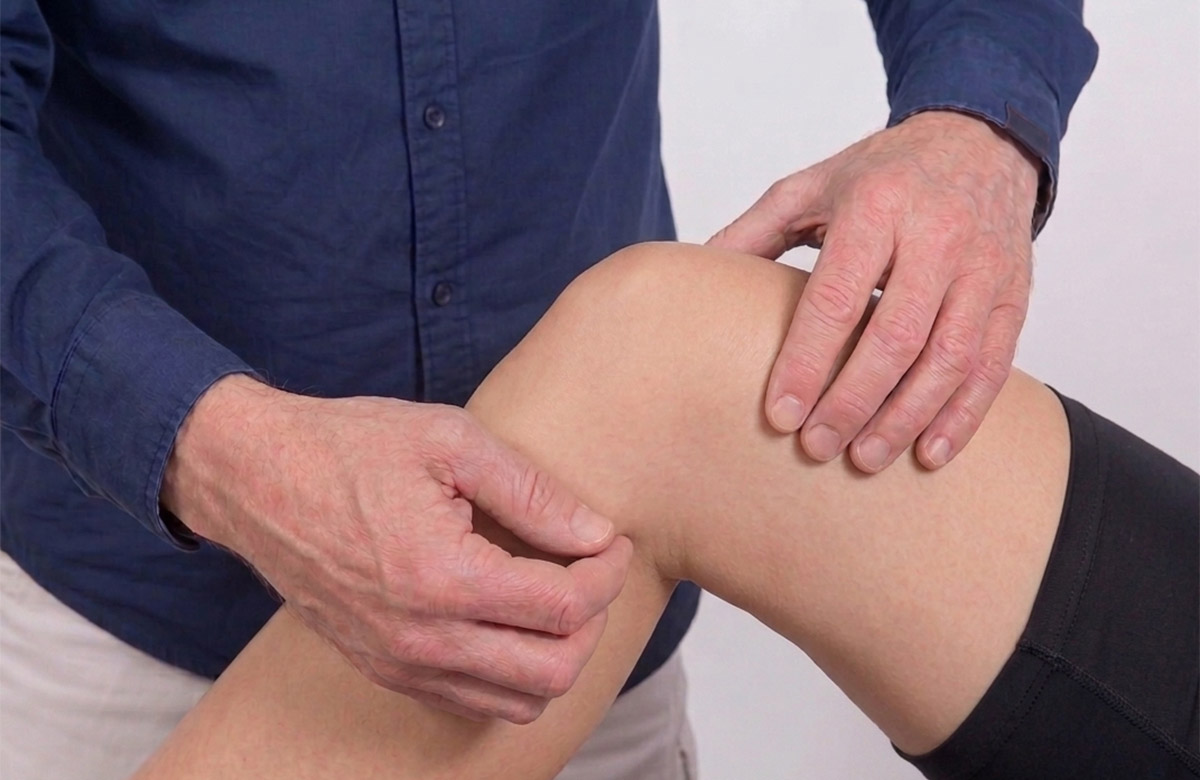
Knee pain: common causes, simple tips and when to get help
Knee pain is one of the most common musculoskeletal problems and can affect walking, climbing stairs, working, exercising and playing sport. It may begin after a specific injury, or it can develop gradually without one obvious cause. Although many cases settle, persistent or worsening knee pain should not simply be ignored.
What can cause knee pain?
Knee pain can have several possible causes. These include:
- a sprain or muscle strain;
- irritation of a tendon;
- an injury to a ligament, cartilage or meniscus;
- pain around or behind the kneecap;
- osteoarthritis;
- doing more running, jumping or exercise than the knee is currently used to.1
The location of the pain may provide some clues, but it does not always identify the exact cause. It is best not to diagnose a knee problem from symptoms alone.
The knee does not always work in isolation
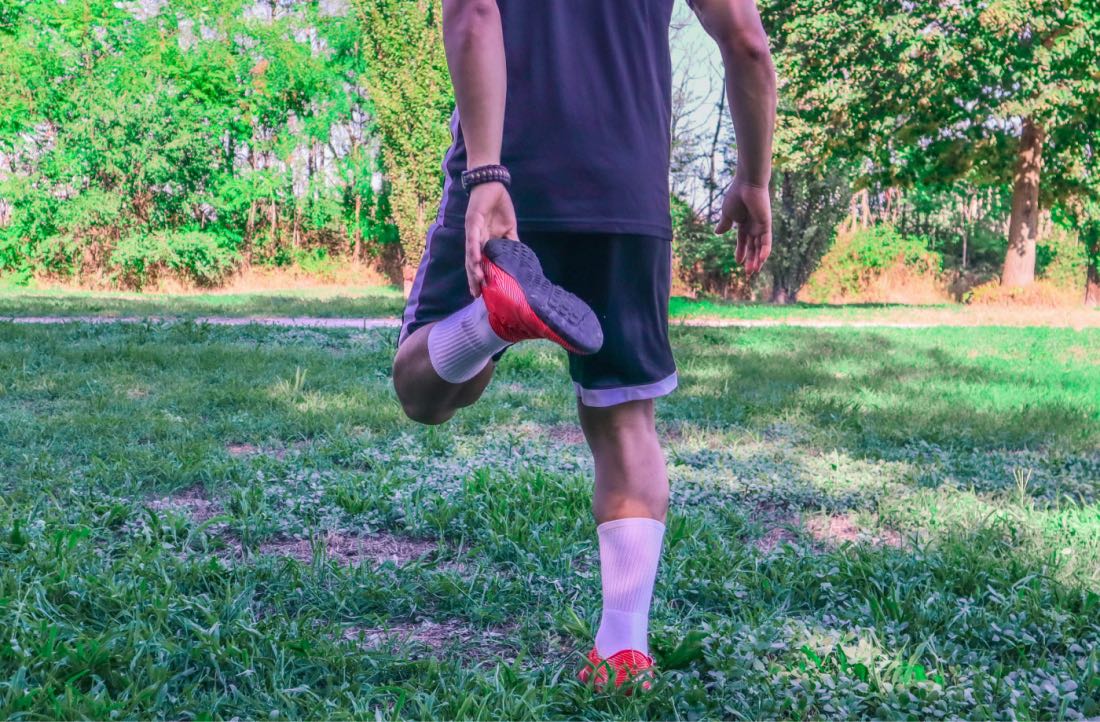
Walking, climbing stairs, running and playing sport require several parts of the lower limb to work together. In some people with pain around or behind the kneecap, hip or knee weakness, lower-limb movement patterns or foot function may be relevant to their symptoms and treatment choices.2
This does not mean that something is necessarily “out of alignment”. These factors vary between individuals and should be considered alongside the knee itself, activity levels, previous injuries and how the symptoms began.
What can you do initially?
For a minor episode of knee pain, it may help to reduce activities that clearly aggravate it, particularly activities that place a high demand on the knee.
An ice pack or bag of frozen peas wrapped in a towel can be applied for up to 20 minutes every two to three hours if the knee is painful or swollen.1 Avoid repeatedly testing the knee with movements that sharply increase the pain. Activities can usually be reintroduced gradually as the symptoms improve.
Speak to a GP or qualified healthcare professional if the pain is worsening, keeps returning or has not improved within a few weeks.1
When should you get urgent advice?
Contact NHS 111 if:
- the knee is extremely painful;
- you cannot move it or put weight through it;
- it is badly swollen or has changed shape;
- it locks, gives way or painfully clicks;
- it becomes hot or red and you have a high temperature or feel unwell.1
Painless clicking is common and does not usually require urgent treatment.1
Can an osteopath assess knee pain?
During an osteopathic appointment, you will be asked when the pain started, which activities aggravate it and how it affects everyday life.
The physical assessment may include the movement and strength of the knee. Where relevant, it may also consider hip strength, lower-limb movement and foot function, particularly when these appear connected to the symptoms.
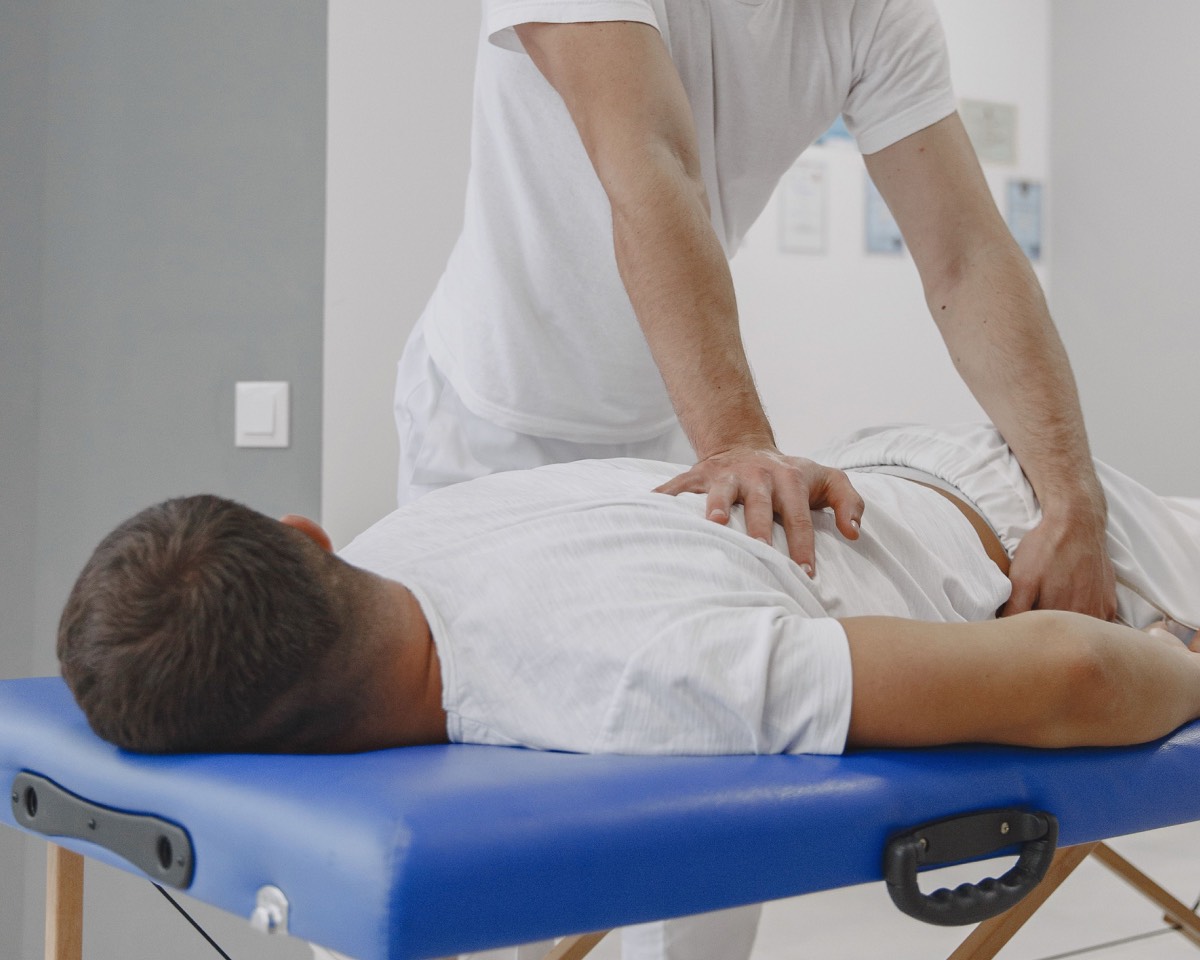
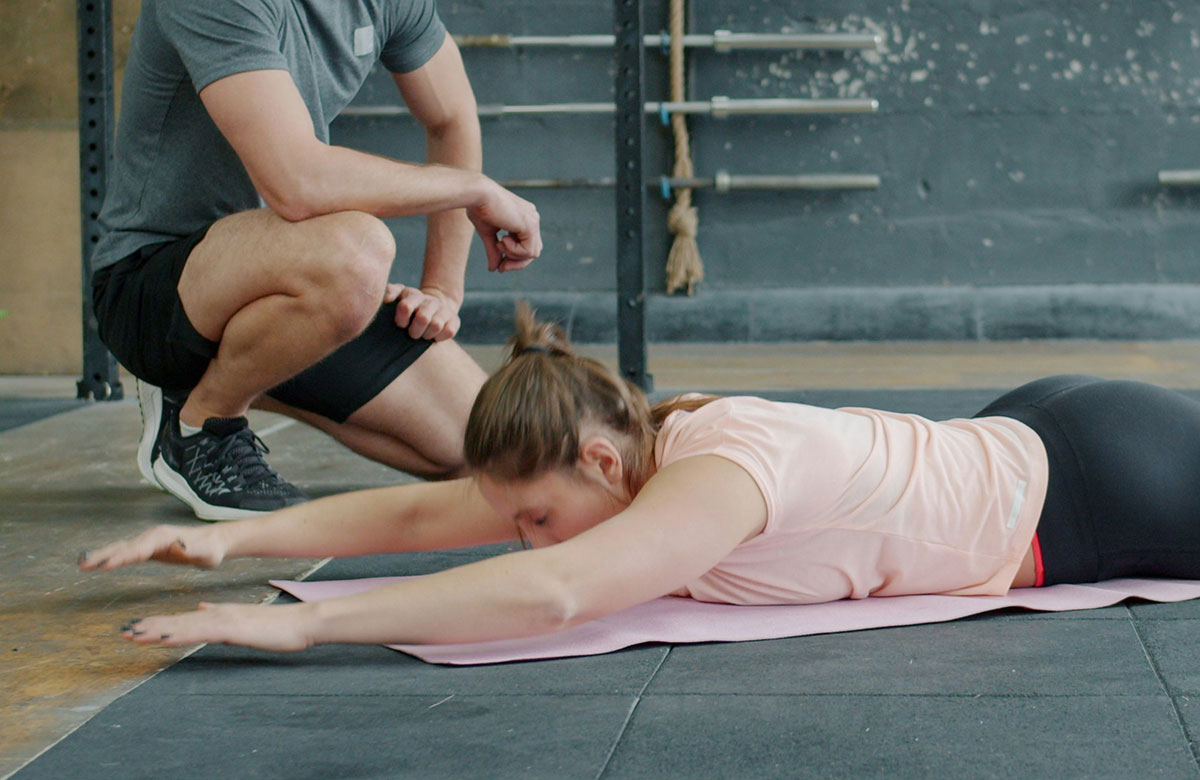
Depending on the findings, care may include hands-on treatment, activity advice and appropriate rehabilitation exercises.
An osteopath should also recognise when symptoms require assessment from a GP, an urgent-care service or another healthcare professional.
Visit our knee pain treatment page to learn more about how knee pain is assessed at Resilience Osteopathy.
Frequently asked questions
Why does my knee hurt on stairs?
Several knee problems can become more noticeable when climbing or descending stairs. Pain around or behind the kneecap is commonly aggravated by stairs, squatting and running.
An assessment may be helpful if the pain continues, worsens or regularly limits your activity.
Should I rest a painful knee?
Temporarily reducing the activity that aggravates it may help, but this does not always mean completely avoiding movement. The amount of activity you can manage will depend on the cause and severity of the problem.
Is knee clicking a sign of damage?
Painless clicking is common. Clicking accompanied by pain, swelling, locking or giving way should be assessed.
Can I exercise with knee pain?
Some people can continue with modified exercise. Seek advice if exercise causes sharp pain, significant swelling, locking or instability.

Concerned about persistent knee pain?
Learn more about knee pain treatment in Orpington, or book an appointment if your symptoms are affecting your work, exercise or everyday activities. At Resilience Osteopathy, care begins with a thorough assessment to help you take the next step towards moving with greater confidence.
References
- NHS. Knee pain [Internet]. London: NHS; [cited 2026 Aug 3]. Available from: https://www.nhs.uk/symptoms/knee-pain/
2 ↩︎ - Neal BS, Lack SD, Bartholomew C, Morrissey D. Best practice guide for patellofemoral pain based on synthesis of a systematic review, the patient voice and expert clinical reasoning. Br J Sports Med. 2024;58(24):1486-1495. doi:10.1136/bjsports-2024-108110. ↩︎
Why people choose Resilience Osteopathy

Hands-on
osteopath in Orpington
Your symptoms, concerns, work, sport and daily activity all matter. Care is tailored to you and your individual goals.

Hands-on
osteopathic treatment
Treatment may include hands-on techniques to support comfort, mobility and movement, depending on your assessment findings.

Read about
knee pain treatment
Find out more about osteopathic care for knee pain in Orpington and what treatment may include.

Assessment and diagnosis
where appropriate
Your appointment includes a case history and physical assessment to help understand what may be contributing to your symptoms.