
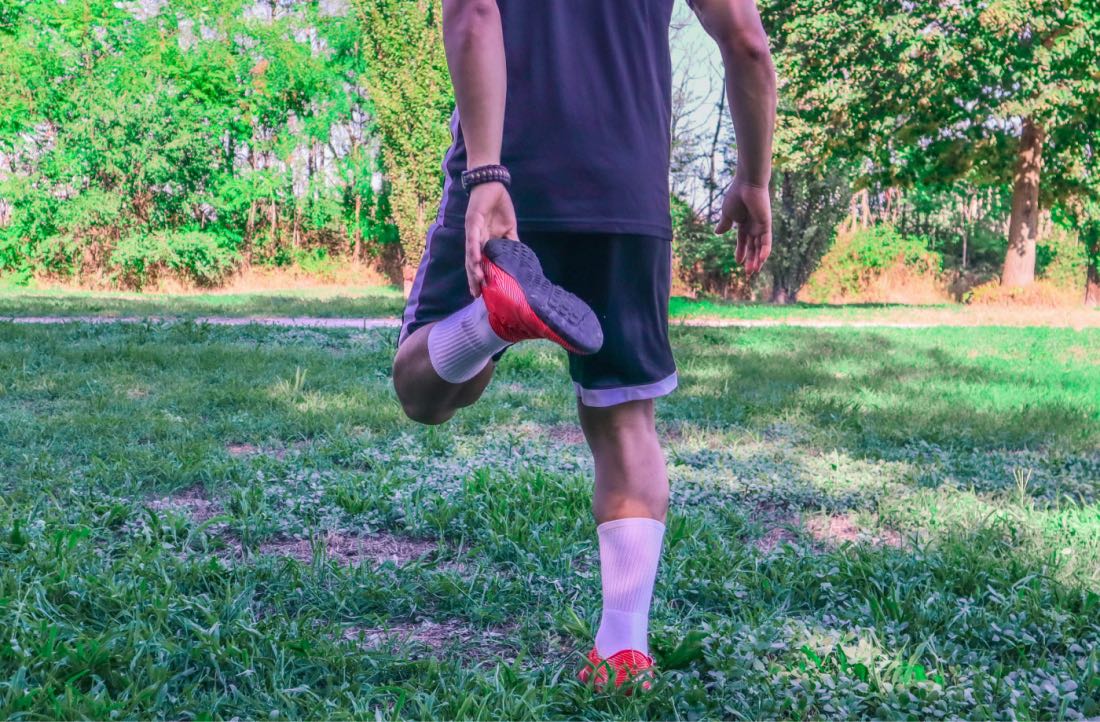
Why do my muscles feel tight?
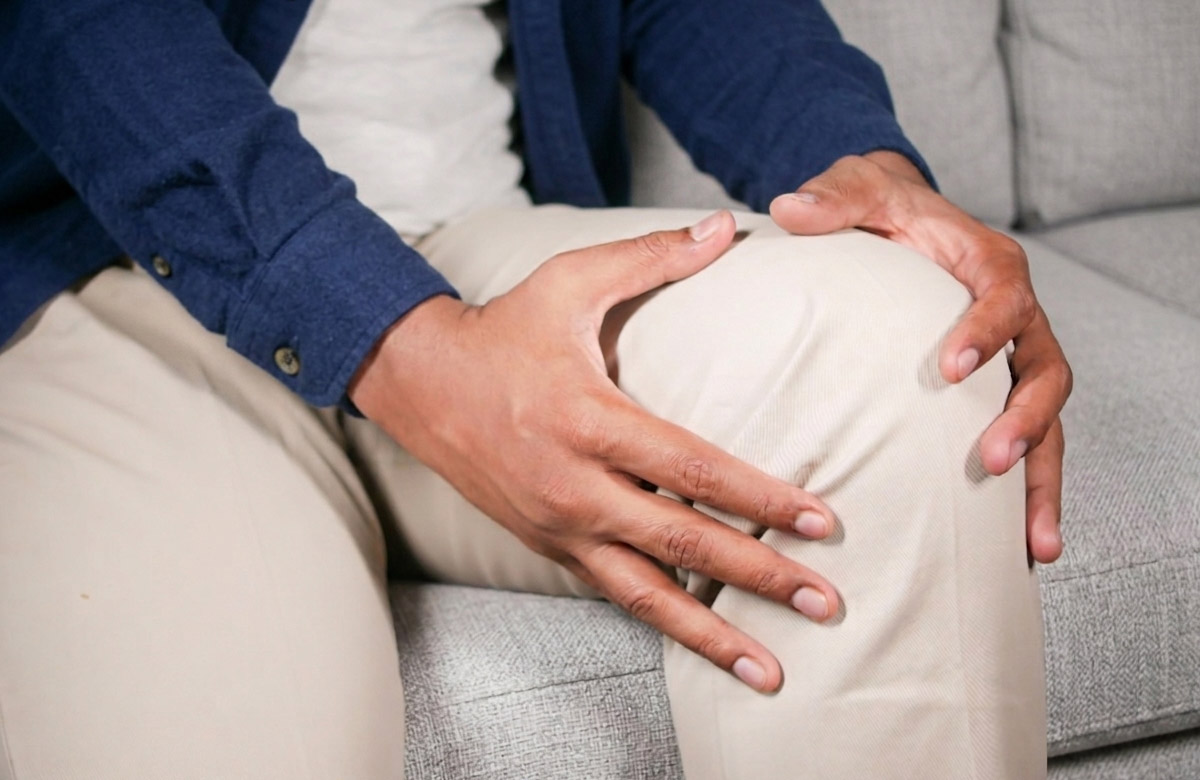
Most of us know the feeling. Your shoulders feel tight after a long day, your calves feel stiff after running, or your hamstrings constantly feel as though they need stretching. But does a tight muscle actually mean that the muscle has become physically shorter? Not necessarily.
Feeling tight and being tight are not always the same thing
When we say a muscle feels tight, we are describing a sensation. Muscles also have measurable mechanical stiffness, but the two do not always match.
Research looking at people with musculoskeletal pain has found that muscles in painful areas are not consistently stiffer when objectively measured. Several studies have also found that people’s perception of pain or stiffness does not necessarily correspond with measured muscle stiffness.1
So a muscle can feel tight without necessarily being physically shortened or unusually stiff.
Why can stretching feel good?
Stretching can increase how far a joint moves, but this does not necessarily mean that a shortened muscle has simply been “lengthened”.
A recent systematic review found that static stretching can reduce measurable stiffness. With repeated stretching, people may also become more tolerant of the stretching sensation. Both changes appear to contribute to improvements in flexibility.2
So stretching can certainly be useful, it is simply more complicated than “this muscle is short, therefore I need to lengthen it”.
What can I do if a muscle feels tight?
For mild tightness following exercise, work or a period of inactivity, some reasonable first steps are:
- keep gently moving rather than avoiding movement completely
- stretch gently if it feels comfortable
- gradually return to your normal exercise or activity
- consider whether you have recently increased your training or changed what you are doing
There is usually no need to aggressively stretch or repeatedly massage an area simply because it feels tight.
When should I get it checked?
If the feeling keeps returning, becomes painful, restricts your movement or starts affecting sport, work or everyday activities, an assessment may be useful.
An osteopathic assessment can look at the area alongside your movement, strength, joints and recent activity to help identify factors that may be contributing.
Seek appropriate medical advice sooner if symptoms follow a significant injury or are accompanied by marked swelling, redness or heat, unexplained weakness or numbness, fever or feeling generally unwell.
Chest pain or unexplained shortness of breath requires urgent medical assessment.
The key message
A muscle that feels tight is not automatically a short muscle. Sometimes stretching may help. Sometimes movement, recovery or gradually building strength and activity may be more useful. The important question is not simply: “How do I loosen this muscle?” but: “Why does this area keep feeling tight in the first place?“.
Frequently Asked Questions
Can a muscle feel tight without actually being tight?
Yes. The sensation of tightness does not always match objectively measured muscle stiffness. A muscle may feel tight even when there is no clear evidence that it has physically shortened or become unusually stiff.
Does stretching actually lengthen muscles?
Stretching can increase your range of movement, but that does not necessarily mean a shortened muscle has simply become longer. Changes in flexibility can involve both reduced muscle stiffness and increased tolerance to the sensation of stretching.
Is stretching good for tight muscles?
It can be. Gentle stretching may feel comfortable and can improve range of movement. Regular stretching may also reduce measurable muscle stiffness.
Why do my muscles feel tight after exercise?
Muscles commonly feel stiff, tired or sore after demanding or unfamiliar exercise. This does not automatically mean the muscle has shortened or that something has been damaged.
Should I see an osteopath for muscle tightness?
If tightness is persistent, painful, repeatedly returns or affects your sport, work or normal activities, an osteopathic assessment may help identify factors such as movement, strength, joint function and recent changes in activity.

How Resilience Osteopathy may help with persistent muscle tightness
If muscle tightness keeps returning, becomes painful or affects your work, exercise or everyday activities, an assessment with an osteopath in Orpington may help identify what is contributing and what to do next.
References
- Haueise A, Le Sant G, Eisele-Metzger A, Dieterich AV. Is musculoskeletal pain associated with increased muscle stiffness? Evidence map and critical appraisal of muscle measurements using shear wave elastography. Clin Physiol Funct Imaging. 2024;44(3):187-204. doi:10.1111/cpf.12870. ↩︎
- Ingram LA, Tomkinson GR, d’Unienville NMA, Gower B, Gleadhill S, Boyle T, et al. Mechanisms underlying range of motion improvements following acute and chronic static stretching: a systematic review, meta-analysis and multivariate meta-regression. Sports Med. 2025;55(6):1449-1466. doi:10.1007/s40279-025-02204-7. ↩︎
Why people choose Resilience Osteopathy

Your local
Orpington osteopath
Your symptoms, concerns, work, sport and daily activity all matter. Care is tailored to you and your individual goals.

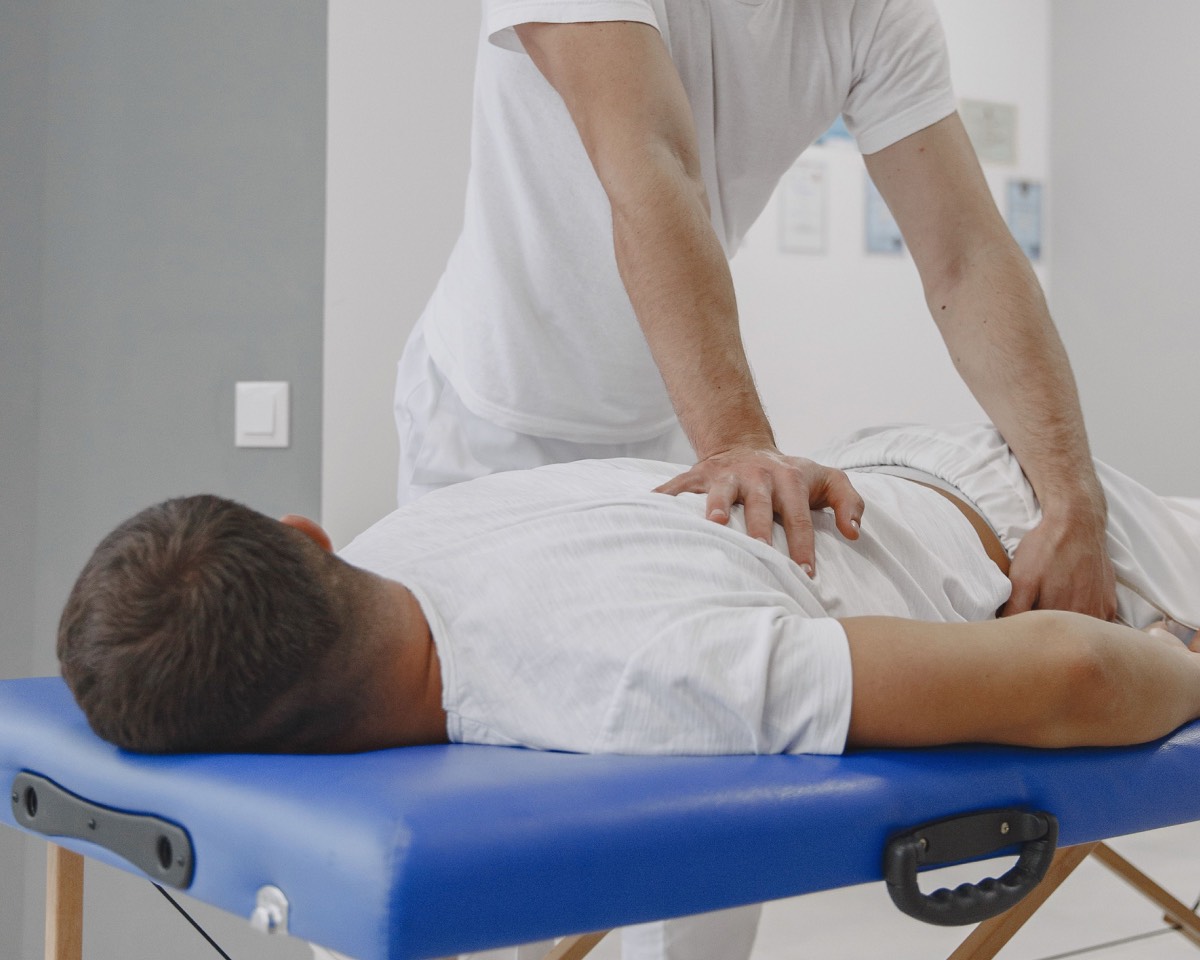
Hands-on
osteopathic treatment
Treatment may include hands-on techniques to support comfort, mobility and movement, depending on your assessment findings.

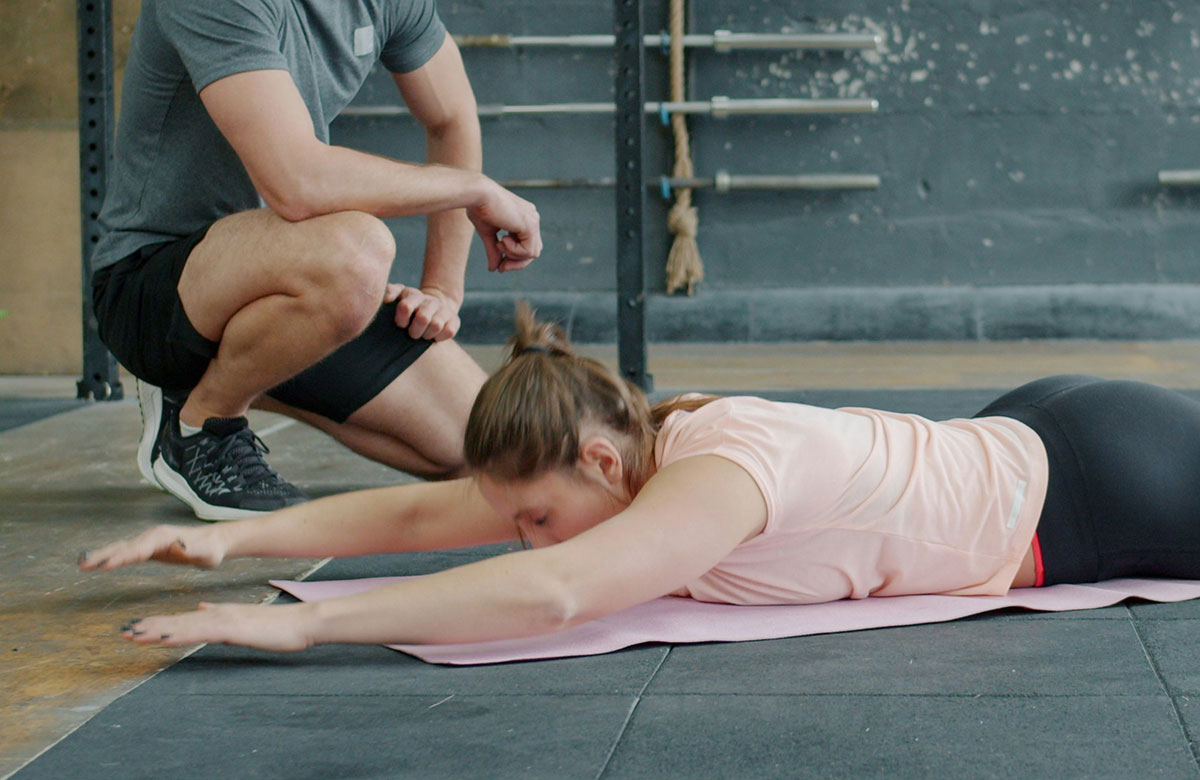
Read about
rehabilitation exercises
Find out more about osteopathic care for rehabilitation exercises in Orpington and what treatment may include.

Assessment and diagnosis
where appropriate
Your appointment includes a case history and physical assessment to help understand what may be contributing to your symptoms.