
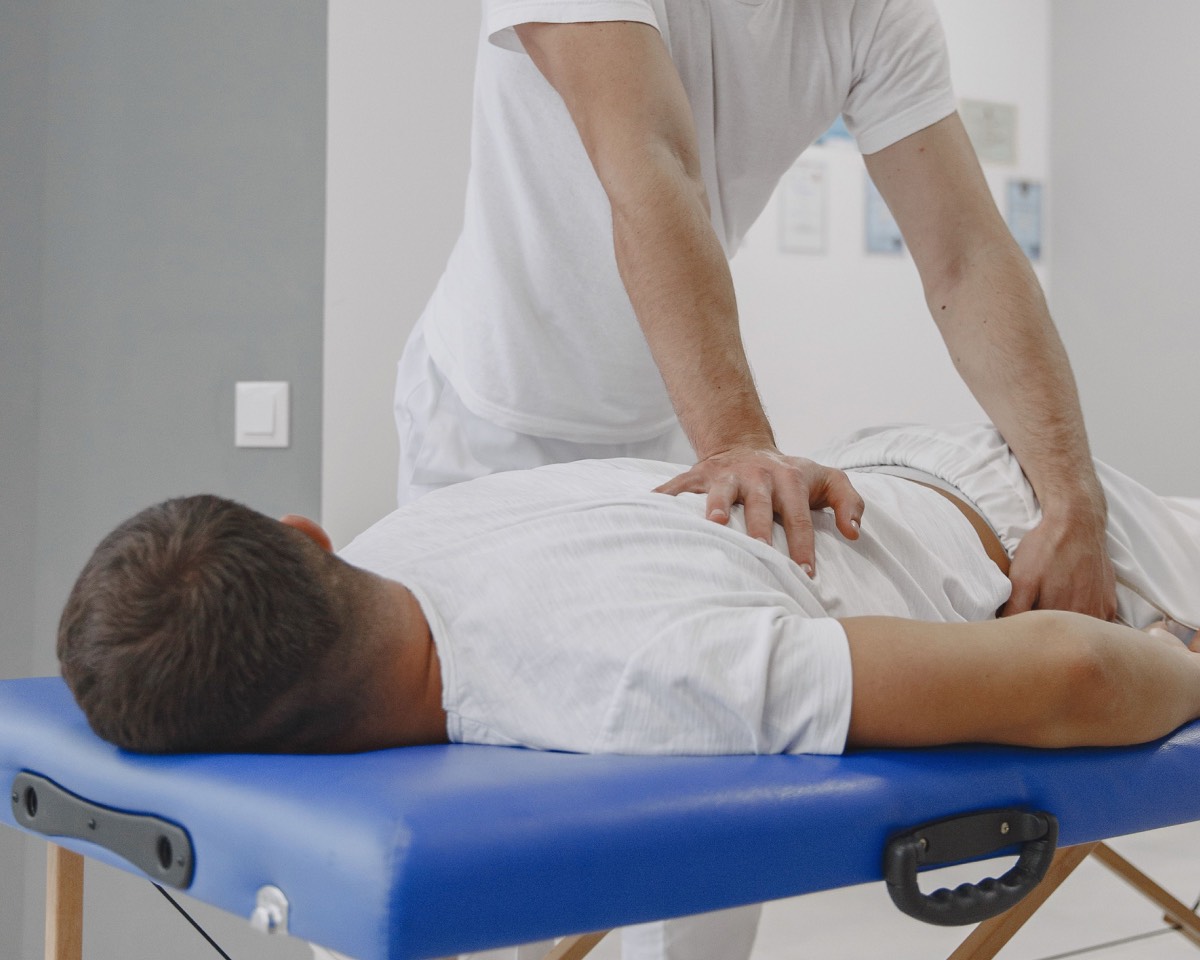
Back pain: when should you get it checked?
Back pain is very common. It can start after lifting, sport, a long day at work, or sometimes for no obvious reason at all.
Around 90% of low back pain is described as non-specific, meaning it cannot be confidently linked to one particular structure or disease.1
When is it worth getting checked?
It may be sensible to get some advice if the pain:
- is not settling;
- keeps coming back;
- is stopping you working, sleeping or exercising normally;
- travels into the buttock or leg;
- is associated with tingling, numbness or weakness.
Depending on your symptoms, an examination may include movement, strength, reflexes, sensation and simple neurological tests.
Do you need a scan?
Usually, no.
The National Institute for Health and Care Excellence (NICE), which produces healthcare guidance for the NHS in England, advises that MRI and X-ray are not routinely needed for uncomplicated low back pain or sciatica. Imaging is generally considered when the result is likely to change how the problem is managed.2
Scans can be useful in the right situation, but they are not automatically the first step.
When should you seek urgent help?
Seek urgent medical attention if severe back or leg pain is accompanied by new problems controlling your bladder or bowels, changes in sexual function, or numbness around the genitals or bottom.3
Back pain following significant trauma, or pain associated with feeling generally unwell or unexplained weight loss, should also be medically assessed.4
These symptoms are uncommon, but they should not be ignored.
Where does osteopathy fit in?
An Orpington osteopath can assess many common presentations of back pain, check for signs that may need further investigation, and discuss suitable treatment, movement and rehabilitation.
For most straightforward cases, staying active is usually encouraged rather than prolonged bed rest.[2,4]
Sometimes the most useful part of an appointment is working out what is reassuring, what needs monitoring and what may need referring on.

How Resilience Osteopathy may support back pain
If back pain is affecting your work, sleep, exercise or everyday activities, an assessment can help clarify what may be contributing and what to do next.
References
- World Health Organization. Low back pain [Internet]. Geneva: World Health Organization; 2023 Jun 19 [cited 2026 Sep 5]. Available from: https://www.who.int/news-room/fact-sheets/detail/low-back-pain
↩︎ - National Institute for Health and Care Excellence. Low back pain and sciatica in over 16s: assessment and management. NICE guideline NG59 [Internet]. London: NICE; 2016 [updated 2020 Dec 11; cited 2026 Sep 5]. Available from: https://www.nice.org.uk/guidance/ng59 ↩︎
- National Institute for Health and Care Excellence. Suspected neurological conditions: recognition and referral. NICE guideline NG127 [Internet]. London: NICE; 2019 [updated 2023 Oct 2; cited 2026 Sep 5]. Available from: https://www.nice.org.uk/guidance/ng127 ↩︎
- NHS. Back pain [Internet]. London: NHS; [reviewed 2026 Mar 5; cited 2026 Sep 5]. Available from: https://www.nhs.uk/conditions/back-pain/ ↩︎

Why people choose Resilience Osteopathy

Patient-centred
care in Orpington
Your symptoms, concerns, work, sport and daily activity all matter. Care is tailored to you and your individual goals.

Hands-on
osteopathic treatment
Treatment may include hands-on techniques to support comfort, mobility and movement, depending on your assessment findings.
Read about
back pain treatment
Find out more about osteopathic care for back pain in Orpington and what treatment may include.

Assessment and diagnosis
where appropriate
Your appointment includes a case history and physical assessment to help understand what may be contributing to your symptoms.