
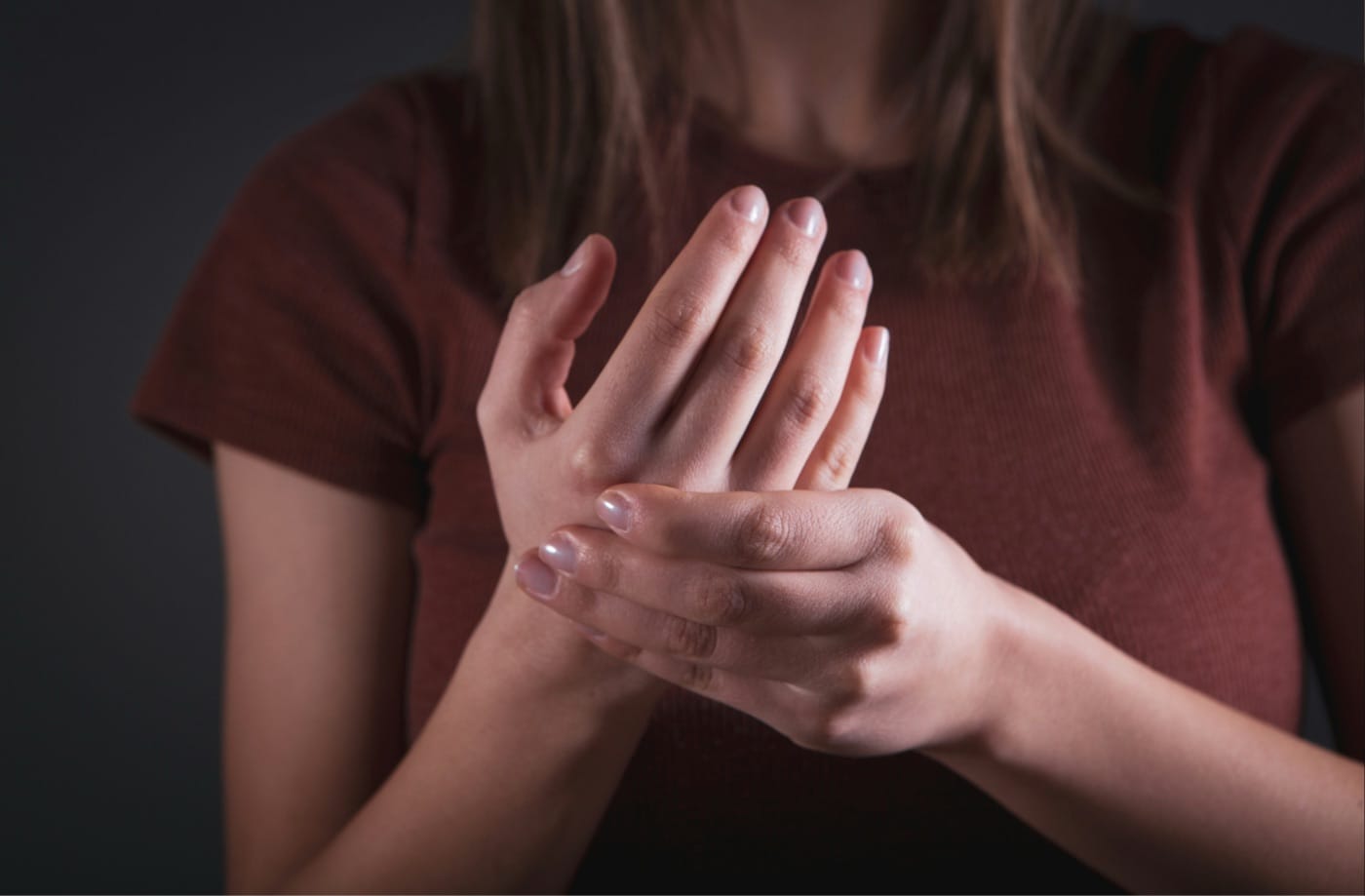
Why do my joints hurt?
Joint pain can have many possible causes, including an injury or a longer-term condition such as arthritis. If you’re worried, the NHS advises you not to self-diagnose and to speak to your GP.1
What can cause joint pain?
The pattern of symptoms can sometimes offer clues. For example, pain and swelling after intense or repetitive exercise may be caused by a sprain or strain. Pain that is worse when walking, with stiffness after activity, can be a symptom of osteoarthritis.
Should I stop moving?
The NHS advises not to stop moving the affected joint completely and recommends regular exercise as part of self-care.
When should I seek advice?
Speak to your GP if the pain has not improved after two weeks of home treatment, is getting worse or keeps coming back, or is affecting your normal activities or sleep. Seek urgent GP or NHS 111 advice if the skin around a painful joint is swollen and hot, or if you feel unwell with a high temperature, chills or shivering.
Where might osteopathy fit?
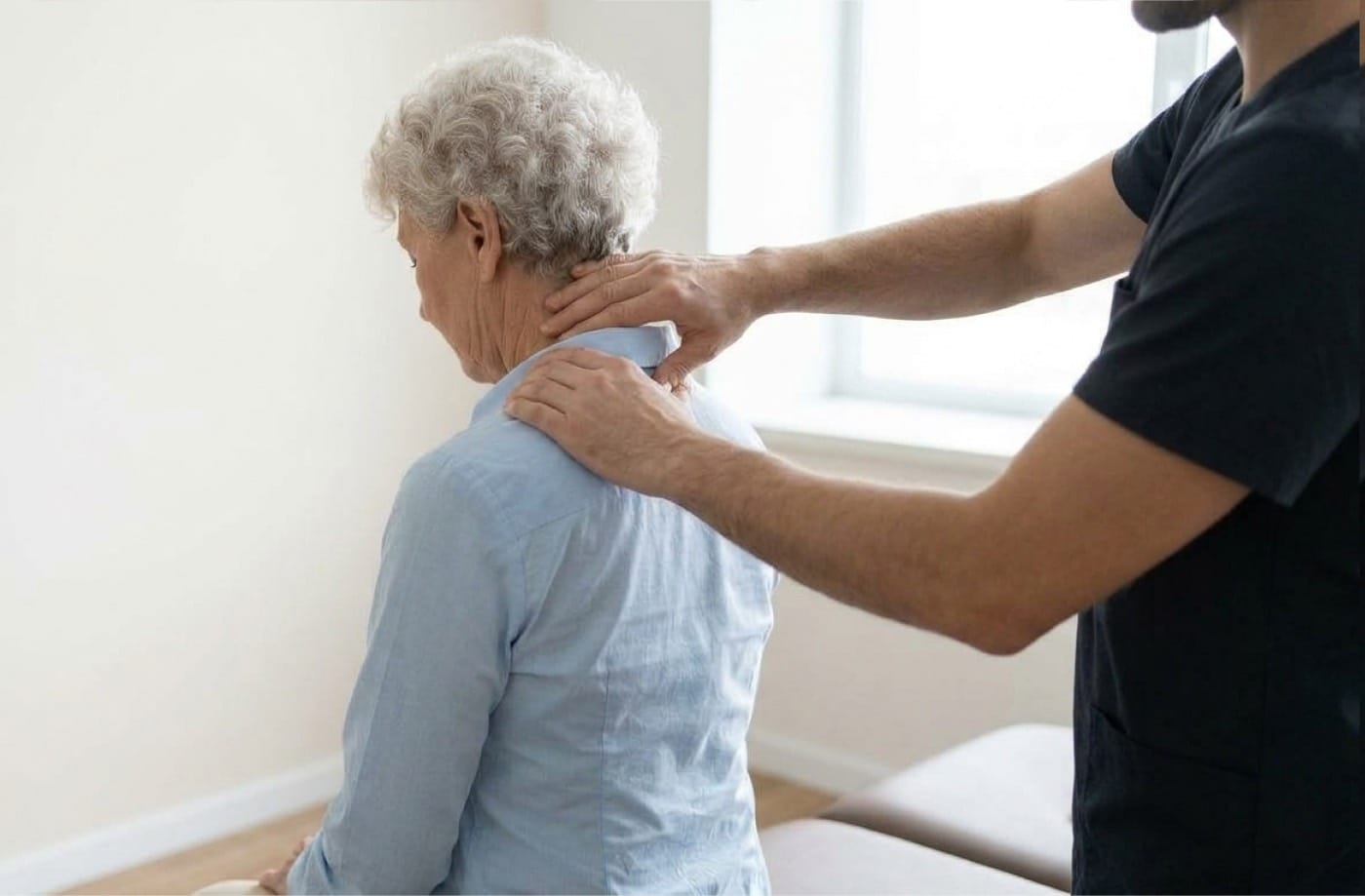
For joint pain that does not require urgent medical care, an osteopath in Orpington can assess your movement, strength and symptoms, and discuss suitable care or referral where needed.

How Resilience Osteopathy may help with joint pain
If ongoing joint pain or stiffness is affecting your everyday activities, book an assessment to discuss your symptoms and suitable treatment or advice.
References
- NHS. Joint pain [Internet]. 2026 Feb 26 [cited 2026 Nov 3]. Available from: https://www.nhs.uk/symptoms/joint-pain/
↩︎

Why people choose Resilience Osteopathy

Tailored
osteopathy in Orpington
Your symptoms, concerns, work, sport and daily activity all matter. Care is tailored to you and your individual goals.

Hands-on
osteopathic treatment
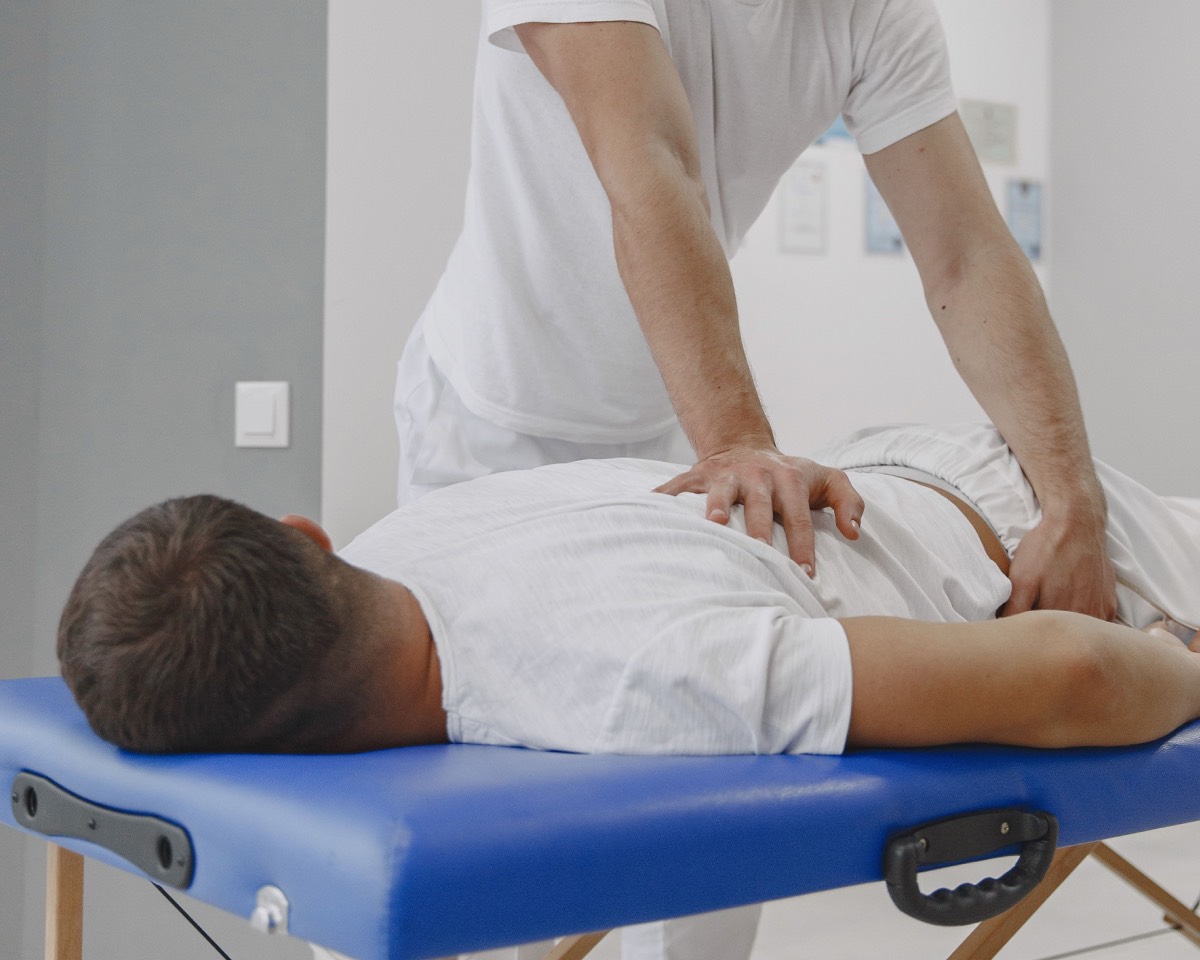
Treatment may include hands-on techniques to support comfort, mobility and movement, depending on your assessment findings.

Read about
joint pain treatment
Find out more about osteopathic care for joint pain and stiffness in Orpington and what treatment may include.

Assessment and diagnosis
where appropriate
Your appointment includes a case history and physical assessment to help understand what may be contributing to your symptoms.