
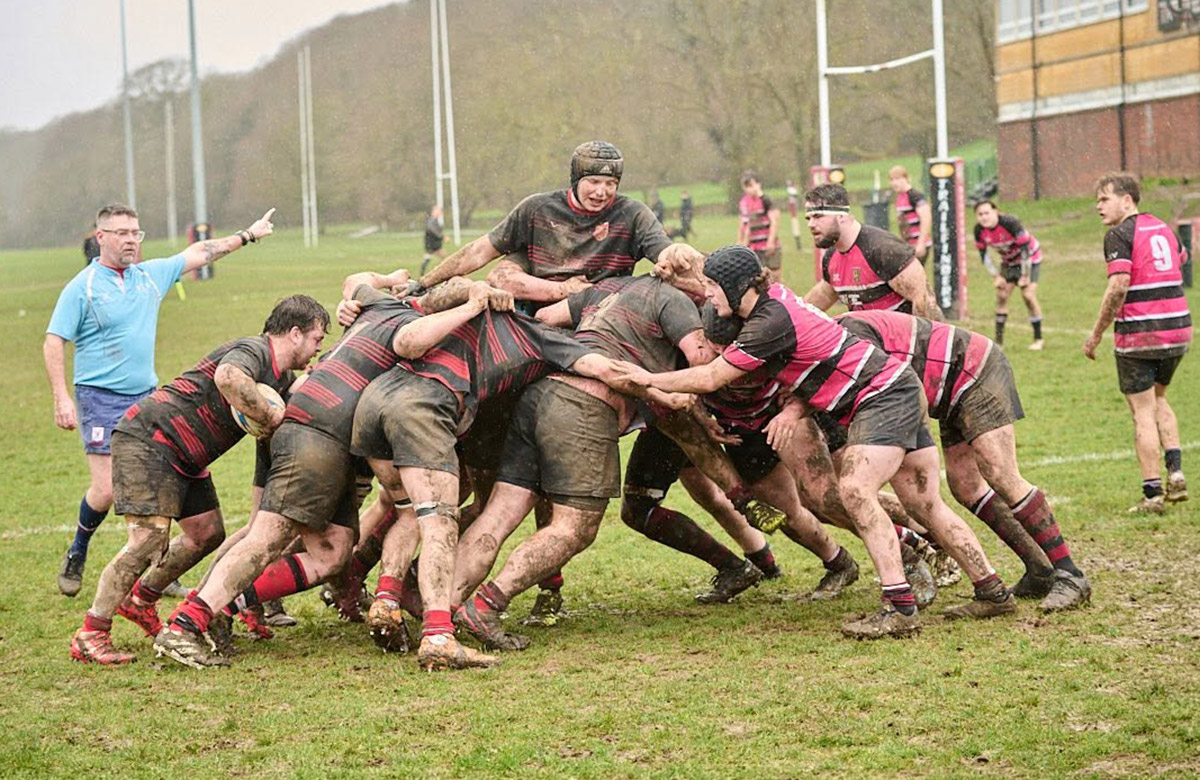
Rugby recovery: are you managing your training load?
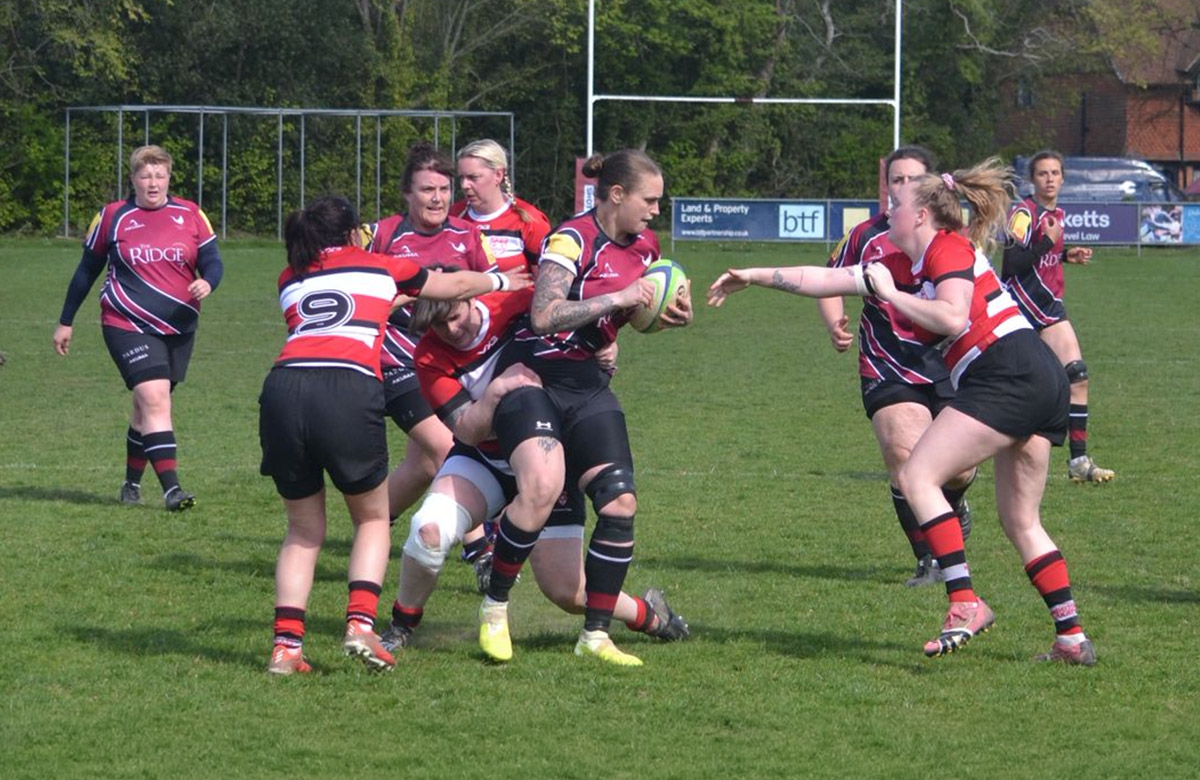
Image: Maidstone 2nd XV - Mustangs vs Beccehamians - Cup Action
Training hard is an important part of becoming fitter, stronger and better prepared for rugby. But more training is not automatically better training.
One thing recreational players sometimes overlook is how different sessions interact with each other.
For example, you might complete a hard squat or deadlift session on Wednesday, rugby training on Thursday and then play on Saturday. None of those sessions is necessarily a problem on its own. The question is whether you have recovered sufficiently to get what you want from the next one.
Think about the whole week
Training load simply describes the demands placed on your body through training and competition.
For a rugby player, that might include:
- gym sessions;
- running and conditioning;
- sprinting;
- contact training;
- rugby matches;
- other sports or exercise.
Your ability to recover is also affected by what is happening away from rugby. Sleep and other demands on your time can influence how ready you feel for the next session.1 2
This is particularly relevant to amateur players. A professional player may finish training and have much of the following day available for recovery. An amateur player might finish training at 9pm, drive home, eat late and then get up early for work the following morning.
That does not necessarily mean they should train less, but it is worth considering when planning the week.
Hard sessions have a cost
Rugby itself creates considerable fatigue. A systematic review of male rugby players found that some measures of physical and perceived recovery can remain affected for around 48–72 hours after a match.3
Strength training can add to that fatigue. Research has also shown that resistance exercise performed to muscular failure can take longer to recover from than similar training that does not reach failure.4
That does not mean you should avoid squats, deadlifts or other demanding exercises during the rugby season.
It means the timing and size of the session matter.
A few controlled sets of squats are very different from a high-volume leg session that leaves you struggling to walk downstairs the following morning.
Plan the hard work
If Saturday is match day, it may make sense to place demanding lower-body strength work earlier in the week and reduce unnecessary fatigue as the match approaches.
Likewise, if Thursday’s rugby session is going to involve hard contact, sprinting and conditioning, Wednesday evening may not be the best time for an exhausting leg session.
The aim is not to avoid fatigue altogether. Training needs to challenge the body if you want it to adapt.
Instead, think about where the harder sessions sit within the week and whether you are giving yourself enough opportunity to recover between them.
Sleep is an important part of that equation, and recovery needs vary between individuals.1 2
So rather than simply asking:
“Can I train today?”
it may be more useful to ask:
“What have I already done this week, what have I got coming next, and what am I trying to achieve from today’s session?”
For most recreational rugby players, load management does not need to involve complicated spreadsheets, GPS systems or sophisticated monitoring.
Sometimes it is simply about looking at the whole week rather than treating every training session in isolation.
Persistent pain, significant swelling, instability, loss of function or symptoms following a significant injury should not simply be assumed to be normal training fatigue. Assessment by an osteopath in Orpington or another suitably qualified healthcare professional may be appropriate.
About the author
David Hanaie M.Ost is a registered osteopath and provides pitch-side and rehabilitation support within rugby. He works with patients experiencing sports injuries, musculoskeletal pain and difficulties returning to exercise.
Resilience Osteopathy
Orpington, Kent
References and further reading
- Kellmann M, Bertollo M, Bosquet L, Brink M, Coutts AJ, Duffield R, et al. Recovery and performance in sport: consensus statement. Int J Sports Physiol Perform. 2018;13(2):240-245. doi:10.1123/ijspp.2017-0759. ↩︎
- Walsh NP, Halson SL, Sargent C, Roach GD, Nédélec M, Gupta L, et al. Sleep and the athlete: narrative review and 2021 expert consensus recommendations. Br J Sports Med. 2021;55(7):356-368. doi:10.1136/bjsports-2020-102025. ↩︎
- Aben HGJ, Hills SP, Cooke CB, Davis D, Jones B, Russell M. Profiling the post-match recovery response in male rugby: a systematic review. J Strength Cond Res. 2022;36(7):2050-2067. doi:10.1519/JSC.0000000000003741. ↩︎
- Morán-Navarro R, Pérez CE, Mora-Rodríguez R, de la Cruz-Sánchez E, González-Badillo JJ, Sánchez-Medina L, et al. Time course of recovery following resistance training leading or not to failure. Eur J Appl Physiol. 2017;117(12):2387-2399. doi:10.1007/s00421-017-3725-7. ↩︎
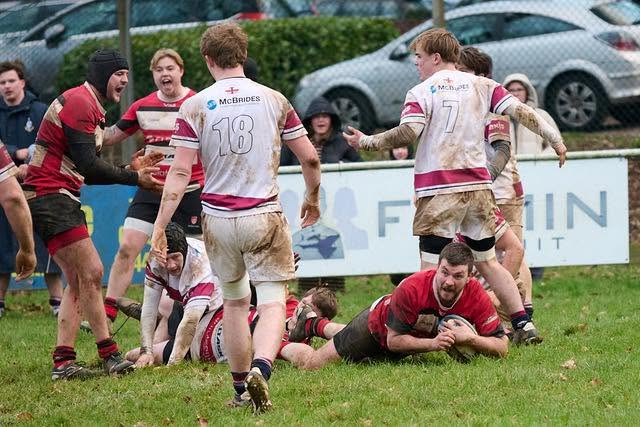
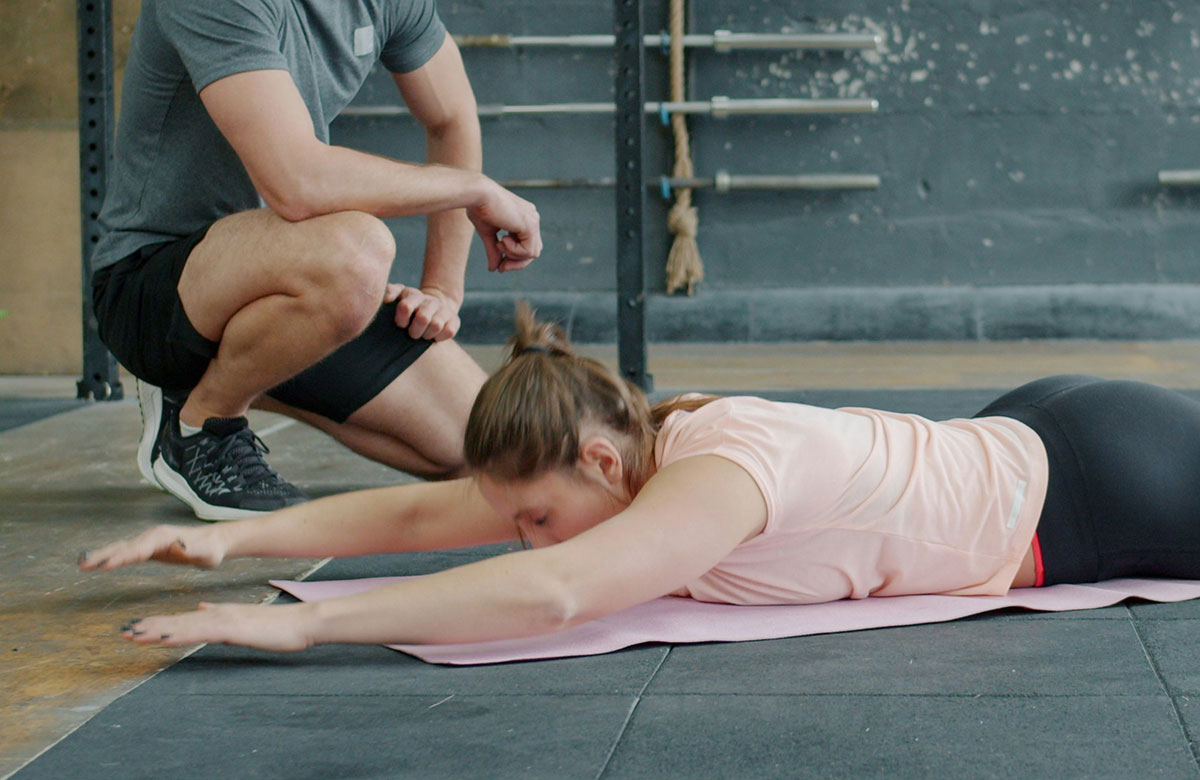
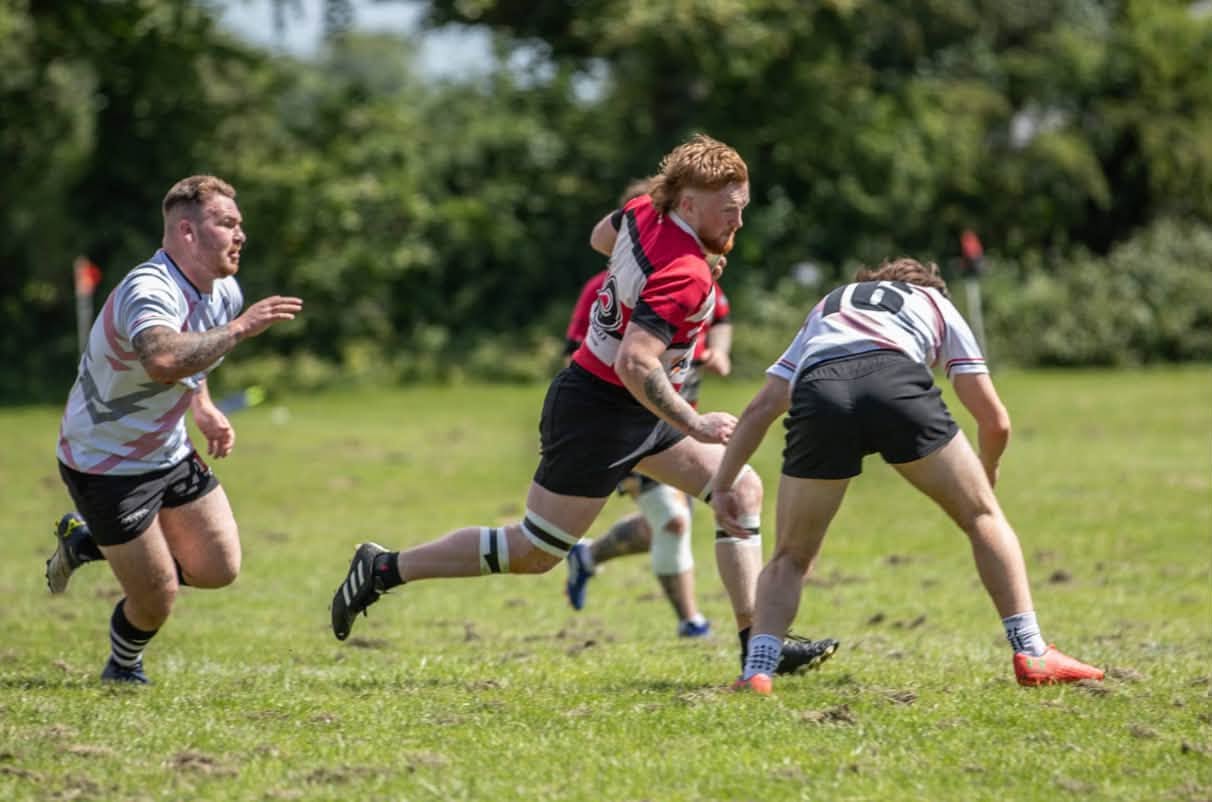
Why people choose Resilience Osteopathy

Your local
Orpington osteopath
Your symptoms, concerns, work, sport and daily activity all matter. Care is tailored to you and your individual goals.

Hands-on
osteopathic treatment
Treatment may include hands-on techniques to support comfort, mobility and movement, depending on your assessment findings.

Read about
rehabilitation exercises
Find out more about osteopathic care for rehabilitation exercises in Orpington and what treatment may include.

Assessment and diagnosis
where appropriate
Your appointment includes a case history and physical assessment to help understand what may be contributing to your symptoms.