

Omega-3 fatty acids: what does the research suggest about recovery and general health?
A quick safety note
This article explains published research. It does not provide personalised dietary or supplement advice or recommend that anyone begin taking an omega-3 supplement.
Omega-3 and fish-oil supplements can interact with medicines and may not be suitable for everyone. Anyone taking prescribed medication, living with a medical condition, preparing for surgery or considering a high-dose supplement should speak to their GP, pharmacist, dietitian or another appropriately qualified healthcare professional first. High-dose fish oil may be particularly relevant to people taking anticoagulant medication.1
Omega-3 is often associated with heart health, but researchers have also investigated its possible effects on inflammation, exercise recovery, brain function, eye health, joint symptoms and mental wellbeing. Some of these potential benefits are supported by reasonable evidence. Others remain uncertain or have been overstated through supplement marketing.
Omega-3 should not be treated as a miracle cure. It is, however, an important group of fats that forms part of our cells and contributes to several normal processes throughout the body.
Key points
- EPA and DHA are found mainly in oily fish and some shellfish.
- Tuna contains omega-3, but considerably less than many oily fish.
- Research suggests omega-3 may support some recovery and inflammatory processes, but faster recovery is not guaranteed.
- Omega-3 cannot replace sleep, rehabilitation, adequate recovery or sensible training loads.
- Supplements can interact with medication and may not be suitable for everyone.
What is omega-3?
Omega-3 is not one single substance. The three main forms are:
- ALA – alpha-linolenic acid
- EPA – eicosapentaenoic acid
- DHA – docosahexaenoic acid
ALA is found mainly in plant foods and oils. It is an essential fatty acid, meaning the body cannot make it for itself.
The body can convert ALA into EPA and then DHA, but this conversion is limited. EPA and DHA are obtained more directly from fish, seafood and certain algae-derived products.1
Omega-3 fatty acids form part of the membranes surrounding our cells. DHA is found in particularly high concentrations in the brain and retina. Omega-3 fats are also used to form signalling molecules involved in cardiovascular, respiratory, immune and hormone-related functions.1
In simple terms, a cell membrane is like the flexible outer wall of a cell. It helps control what enters and leaves the cell and allows cells to receive and respond to messages from elsewhere in the body.
Where is omega-3 found?
Oily fish
Oily fish are among the richest food sources of the long-chain omega-3 fatty acids EPA and DHA.
The NHS lists the following as oily fish:
- Salmon
- Mackerel
- Sardines
- Herring and kippers
- Pilchards
- Sprats
- Trout
The NHS describes oily fish as particularly high in long-chain omega-3.2
Oysters, crab and other shellfish
Some shellfish also provide long-chain omega-3. The NHS identifies mussels, oysters, squid and crab as good shellfish sources, although they do not contain as much long-chain omega-3 as oily fish. Oysters and crab are among the main shellfish sources.2
Plant sources
Recognised plant sources of ALA include:
- Flaxseed or linseed
- Chia seeds
- Walnuts
- Rapeseed or canola oil
- Soya oil
These foods provide mainly ALA rather than the EPA and DHA commonly associated with oily fish. Because the body’s conversion of ALA into EPA and DHA is limited, the different forms should not be treated as completely interchangeable.1
What about avocado?
Avocado is a nutritious food that provides fibre and is particularly rich in monounsaturated fat. However, it should not be relied upon as a principal source of omega-3. Harvard’s Nutrition Source describes avocado as a source of fibre containing predominantly monounsaturated fat.3
That does not make avocado unhealthy. It simply means that most of its fat is monounsaturated rather than omega-3.
What about tuna?
Tuna deserves particular attention because many people rely heavily on canned tuna as an inexpensive and convenient source of protein.
Tuna contains EPA and DHA, but its omega-3 content varies between species and preparations. The NIH food-composition table shows that canned light tuna and cooked yellowfin tuna contain considerably less EPA and DHA than equivalent three-ounce portions of salmon, herring, sardines or Atlantic mackerel.1
EPA and DHA in selected fish
The figures below show grams per three-ounce cooked or drained serving. The combined column has been calculated by adding the EPA and DHA figures reported by the NIH.
| Food | DHA | EPA | Combined EPA + DHA |
|---|---|---|---|
| Farmed Atlantic salmon | 1.24 g | 0.59 g | 1.83 g |
| Atlantic herring | 0.94 g | 0.77 g | 1.71 g |
| Canned sardines | 0.74 g | 0.45 g | 1.19 g |
| Atlantic mackerel | 0.59 g | 0.43 g | 1.02 g |
| Canned light tuna in water | 0.17 g | 0.02 g | 0.19 g |
| Cooked yellowfin tuna | 0.09 g | 0.01 g | 0.10 g |
Source: NIH Office of Dietary Supplements, Table 2: ALA, EPA and DHA Content of Selected Foods. Combined values calculated from the listed EPA and DHA amounts.1
For comparison, the table lists approximately 1.83 grams of combined EPA and DHA in a three-ounce serving of farmed Atlantic salmon, compared with approximately 0.19 grams in canned light tuna and 0.10 grams in cooked yellowfin tuna.1
Current NHS guidance also states that neither fresh nor canned tuna counts as oily fish. Tuna should therefore not be viewed as equivalent to salmon, sardines, mackerel or herring as a source of long-chain omega-3.2
Tuna can still provide protein and other nutrients. The point is simply that someone who regularly eats tuna should not automatically assume they are receiving the same quantity of omega-3 as someone eating recognised oily fish.
The NHS also provides separate limits for tuna during pregnancy or when trying to conceive because tuna can contain higher levels of mercury than many other fish.2
What happens during demanding exercise?
Exercise places the body under a controlled form of stress. Muscles are challenged, energy is used and a small amount of tissue disruption may occur. The body then repairs and adapts, becoming better prepared for similar activity in the future.
Exercise also increases the production of reactive oxygen species and reactive nitrogen species, usually shortened to ROS and RNS. These groups include free radicals and other highly reactive molecules. The International Society of Sports Nutrition position paper states that exercise causes ROS and RNS production and that prolonged or heavy exercise can increase it further.4
These reactive substances are not automatically harmful. A moderate rise during and after exercise can act as a useful signal that helps the body adapt.
Problems are more likely to arise when the overall stress becomes greater than the body’s ability to recover. Contributing factors can include:
- Very intense or high-volume training
- Repeated competition with insufficient recovery
- Poor sleep
- Inadequate nutrition
- Illness
- Psychological stress
- Insufficient rest between sessions
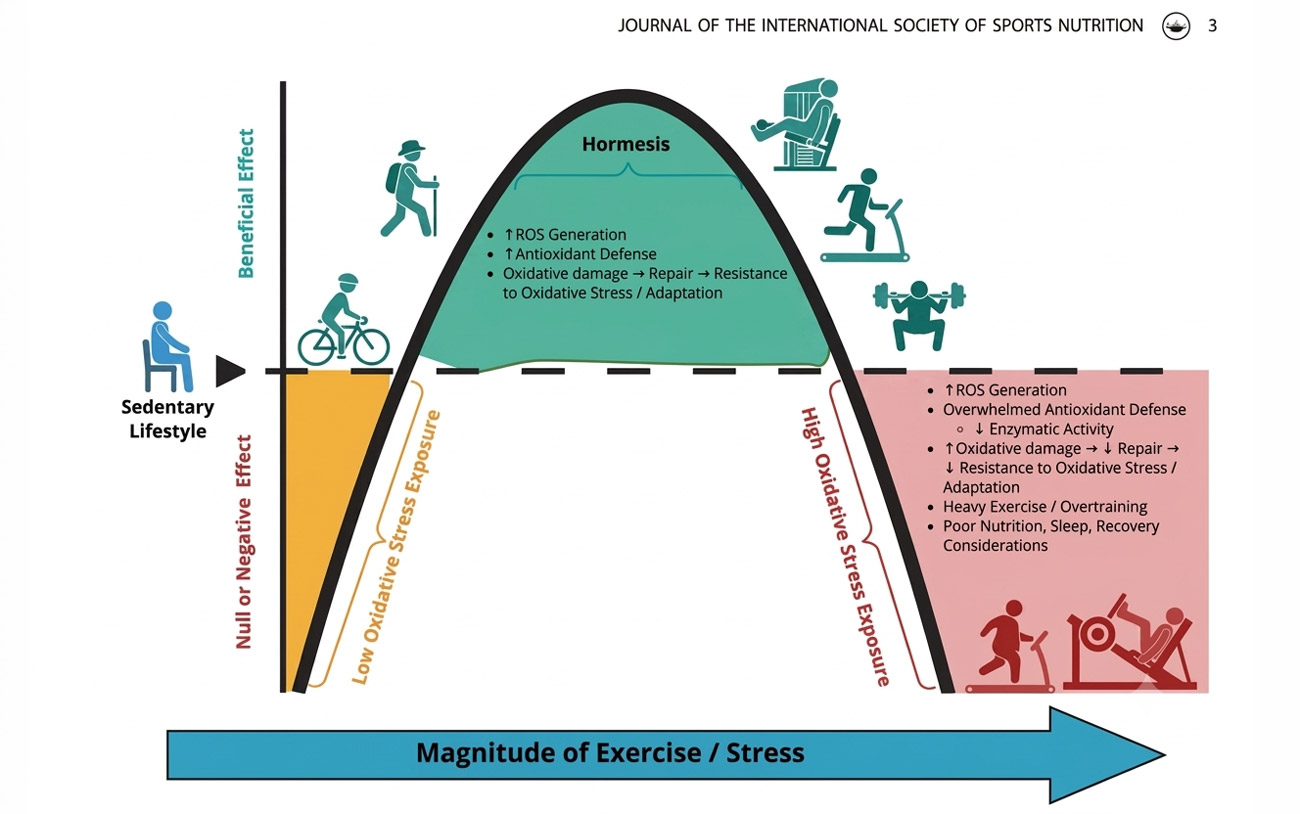
Figure 1 in the ISSN position paper presents this relationship as an upside-down U-shaped curve.
At very low levels of physical stress, there may be too little stimulus to produce meaningful adaptation. Moderate exercise stress can stimulate antioxidant defences, cellular repair and favourable adaptation. Excessive or prolonged stress may overwhelm the body’s defences, impair repair and reduce the quality of adaptation.4
How might omega-3 support recovery?
EPA and DHA appear to influence several processes that may be relevant following demanding exercise.
Research suggests that omega-3 may:
- Help regulate inflammatory activity
- Support cell-membrane structure
- Influence how cells produce and manage energy
- Support some of the body’s own antioxidant defences
- Help limit excessive oxidative stress
The ISSN paper states that omega-3 may activate the Nrf2 pathway, increasing the activity of some of the body’s own antioxidant enzymes.
In plain English, this is part of an internal protective system that helps cells respond when the body is under stress.4
The paper also suggests that omega-3 may influence how mitochondria – the small energy-producing structures inside our cells – function and respond to the physical stress created by demanding exercise.4
The practical question is whether these effects lead to less soreness or better recovery.
What did the exercise studies find?
Some studies reviewed by the ISSN reported reductions in markers associated with inflammation and muscle damage.
For example:
- One study reported reductions in CRP and IL-6, which are commonly measured inflammatory markers, and CK and LDH, which can rise following muscle damage.
- Another reported lower inflammatory markers in older adults undertaking resistance training.
- A study involving resistance-trained men reported lower muscle-damage markers after eccentric exercise, alongside improvements in reported muscle soreness.
However, the position paper also acknowledges that results have not been consistent across all studies.4
An eccentric contraction occurs when a muscle produces force while lengthening. Examples include lowering a weight under control, landing from a jump or running downhill. Unfamiliar eccentric exercise is commonly associated with delayed-onset muscle soreness.
The most balanced conclusion is:
Research suggests that omega-3 may support some of the normal cellular and inflammatory processes involved in recovery from demanding exercise. However, the size of any benefit is likely to vary, and faster recovery is not guaranteed.
How strong is the evidence?
The ISSN position paper rates the evidence relating to omega-3 and exercise performance as moderate. It rates the evidence for its antioxidant effects as moderate to high.4
The authors define moderate evidence as limited or mixed evidence supporting effectiveness. In other words, there is a solid scientific basis, but findings have not been consistent across all existing research, and further high-quality studies are needed.4
This means there are reasonable grounds to think omega-3 may help in some circumstances, but it cannot be promised to provide the same result to every person.
What might omega-3 mean for exercise recovery?
For people who regularly train or play sport, omega-3 may support some of the normal processes involved in recovery after demanding exercise
Some studies reviewed in the ISSN position paper reported lower markers associated with inflammation and muscle damage. One study also found improvements in reported muscle soreness following demanding eccentric exercise. However, findings have not been consistent across all studies, and omega-3 should not be expected to produce a dramatic or immediate improvement in recovery.4
The practical points are:
- Omega-3 appears more relevant as part of a consistent diet than as a one-off supplement taken after a match, run or gym session.
- Oily fish such as salmon, sardines, mackerel and herring generally provides considerably more EPA and DHA than tuna.
- Omega-3 may support some of the body’s normal recovery processes, but it cannot replace sleep, adequate food intake, rest or sensible training loads.
- Persistent pain, weakness, stiffness or difficulty returning to training should be assessed rather than managed through supplements alone.
The most balanced conclusion is that omega-3 may have a modest supporting role in exercise recovery, but it is not a shortcut or a substitute for good training, rest and rehabilitation.
Could omega-3 support muscle strength and adaptation?
Omega-3 may have effects that extend beyond post-exercise soreness and inflammation. Researchers have also investigated whether the long-chain omega-3 fatty acids EPA and DHA can influence how skeletal muscle responds to nutrition and training.
Small experimental studies have found that several weeks of omega-3 supplementation can increase the muscle protein-building response when amino acids and insulin are elevated in the bloodstream.5 6 This process is called muscle protein synthesis — essentially the process the body uses to make new muscle protein.
Amino acids are the building blocks of protein, while insulin is a hormone involved in helping the body use and store nutrients. In everyday life, amino acids rise after eating protein-rich foods, while insulin normally increases in response to a meal.
Importantly, these studies used controlled laboratory methods in which amino acids and insulin were deliberately raised rather than simply giving participants omega-3 alongside a high-protein meal. 5 6 Omega-3 did not increase muscle protein synthesis at rest, but appeared to make muscle tissue more responsive when these nutritional signals were present.5 6 This does not mean that omega-3 needs to be taken with a particular meal or immediately after training.
EPA and DHA can become incorporated into muscle-cell membranes, including the membranes of mitochondria, changing the types of fatty acids present within them.7 In one small study, 12 weeks of omega-3 supplementation appeared to make muscle-cell mitochondria more responsive to signals telling them to produce energy, although it did not increase their maximum energy-producing capacity.8 These findings are interesting, but they do not prove that omega-3 improves recovery or sporting performance.
When researchers look at actual changes in muscle strength, size and function, the overall picture is more modest. A 2023 systematic review and meta-analysis of 14 studies involving 1,443 participants found that omega-3 supplementation was associated with a very small improvement in muscle strength, but there was no clear overall improvement in muscle mass or physical function.9
Much of the available research has involved older adults rather than younger athletes. Interestingly, another systematic review and meta-analysis found evidence of improved lower-body strength in older adults taking omega-3, including in studies where supplementation was used without resistance training.10 This suggests that any strength benefit may not depend entirely on exercise training, although the overall effect appears to be small.
Overall, current evidence suggests that omega-3 may provide a small benefit to muscle strength, although the clinical importance of this effect remains uncertain. Current evidence does not show a consistent increase in muscle mass, and the findings should not be interpreted as meaning that omega-3 is a muscle-building or performance-enhancing supplement. It is better viewed as a potentially useful addition to a healthy diet and active lifestyle rather than a replacement for resistance exercise, adequate protein and energy intake, good-quality sleep and sensible recovery.
Consistency matters more than taking it once
Omega-3 has not generally been studied as a one-off supplement taken immediately after a difficult training session.
Most studies discussed in the ISSN paper involved regular intake over several weeks rather than a single post-exercise serving. Omega-3 should therefore not be presented as an instant recovery remedy.4
The paper discusses research using 1,000–6,000 milligrams of combined EPA and DHA per day for six to twelve weeks.4 These were research protocols – not personal supplement recommendations. The upper end represents a substantial quantity and should not be copied without individual professional guidance.
Omega-3 and the nervous system
DHA is found in particularly high concentrations in the brain and forms part of brain-cell membranes. Researchers have therefore studied omega-3 in relation to normal brain and cognitive function.1
However, current evidence does not show that omega-3 makes the nervous system recover faster after ordinary training or determines when someone is ready to return to full activity.
Readiness to progress should still be judged through symptoms, sleep, energy, strength, movement quality and performance
Persistent pain, weakness, stiffness or uncertainty about progressing your activity may require an individual assessment rather than relying on rest, food or supplements alone. Read more about rehabilitation exercises and movement advice in Orpington.
Omega-3 cannot replace the foundations of recovery
Even where omega-3 provides a benefit, it cannot compensate for:
- Inadequate sleep
- Poorly managed training loads
- Insufficient rest
- Inadequate overall nutrition
- Continuing to train through a sports injury or activity-related pain
- Failing to follow an appropriate rehabilitation and exercise plan
The ISSN paper emphasises that regular exercise itself improves the body’s antioxidant defences. It also favours obtaining nutrients from whole foods, with supplementation considered mainly where intake is inadequate, a deficiency exists or training stress is particularly high.4
Omega-3 should therefore be viewed as a possible supporting factor – not the main driver of recovery.
Ongoing pain, restricted movement, recurring discomfort or difficulty returning to exercise may need to be assessed individually. At Resilience Osteopathy, sports injury care begins with an assessment and may include hands-on osteopathic care, movement advice, training-load guidance and rehabilitation exercises where appropriate.
Other areas where omega-3 may have a role
Heart health and triglycerides
One of the more consistently demonstrated effects of EPA and DHA supplementation is a reduction in raised blood triglycerides.1
Research has also investigated whether fish and long-chain omega-3 intake may support cardiovascular health. However, ordinary shop-bought supplements have not been proven to prevent every heart attack or stroke.
Prescription omega-3 medicines used to manage high triglycerides are not the same as general fish-oil supplements.1
Brain health, mood and depression
Because DHA is concentrated in the brain, researchers have examined omega-3 in relation to memory, cognitive decline, stress and depression.
Some observational studies have found associations between greater fish intake and a lower risk of cognitive decline or depression. However, an association does not prove that omega-3 alone caused the difference.
A Cochrane review found that any average improvement in depressive symptoms from omega-3 supplementation appeared small and of uncertain clinical importance. Omega-3 is not a replacement for mental-health assessment or established treatment.11
Eye health
DHA is found in particularly high concentrations in the retina.
Omega-3 has been studied in relation to age-related macular degeneration and dry-eye symptoms, but supplement trials have produced mixed results. Evidence does not show a consistent benefit for dry-eye disease, and supplementation has not been shown to stop established macular degeneration progressing.1
Omega-3 contributes to normal retinal structure, but it should not be presented as something that restores eyesight or cures eye disease.
Inflammatory joint conditions
Omega-3 has been studied particularly in rheumatoid arthritis, which is an inflammatory autoimmune condition.
Some trials suggest that omega-3 may help reduce reliance on anti-inflammatory medication in certain patients. However, effects on pain, swelling, tenderness and morning stiffness have not been consistent. It should be considered, at most, a possible supportive addition to established rheumatoid arthritis care.1
This evidence should not be applied to every painful joint. Osteoarthritis, sporting injuries, tendon problems and mechanical joint pain can have very different causes.
Persistent joint pain, stiffness or restricted movement may benefit from an individual assessment to help identify possible contributing factors. Read more about joint pain and stiffness treatment in Orpington.
Immune and inflammatory activity
Omega-3 can influence inflammatory and immune signalling, but the phrase “boosts the immune system” is misleading. A healthy immune system does not simply need to be stronger. It needs to respond appropriately. It is more accurate to say that omega-3 may help regulate certain aspects of immune and inflammatory activity.1
That does not mean it prevents every infection or illness.
Omega-3 has also been researched in relation to insulin resistance, fatty liver disease, skin health, wound healing and hair loss. However, the available evidence is not strong enough to present omega-3 as a treatment for these conditions or concerns.
What about fish-oil supplements?
Fish-oil products vary considerably.
A capsule labelled “1,000 mg fish oil” does not necessarily contain 1,000 mg of EPA and DHA. A typical 1,000 mg fish-oil supplement may provide around 180 mg EPA and 120 mg DHA, although formulations vary widely.1
Research products can also differ in their:
- EPA content
- DHA content
- Ratio of EPA to DHA
- Purity and formulation
- Duration of use
- Participant population
- Exercise programme
- Method used to measure recovery
This makes it difficult to take the result from one study and apply it to everyone.
Supplement safety
Do not assume that a supplement is harmless simply because it is described as “natural.” Omega-3 supplements may interact with medicines. Anyone taking medication regularly should discuss possible interactions with their GP or pharmacist before beginning supplementation.
High-dose fish oil can affect platelet activity and may be particularly relevant for people taking warfarin or similar anticoagulants. Although research has not consistently shown a major increase in clinically significant bleeding, professional advice and monitoring may still be appropriate.1
Commonly reported side effects include:
- Unpleasant taste
- Bad breath
- Heartburn
- Nausea
- Digestive discomfort
- Diarrhoea
- Headache
The NIH also reports that two large clinical trials found a small increase in atrial-fibrillation risk when four grams per day of omega-3 supplements were taken for several years by people with cardiovascular disease or a high cardiovascular risk.1
This finding relates to high-dose supplementation in particular clinical populations. It should not be interpreted as applying equally to ordinary dietary fish consumption.
Recovering from training or managing an injury?
Nutrition may form one part of a wider recovery plan. However, persistent pain, weakness, stiffness, reduced movement or difficulty returning to exercise may require an individual assessment and structured rehabilitation plan.
At Resilience Osteopathy, support is available for:
- Sports injuries and activity-related pain
- Running injuries and return-to-running support
- Rehabilitation exercises and movement advice
- Joint pain, stiffness and restricted movement

Book an osteopathy appointment in Orpington
At Resilience Osteopathy, care begins with an assessment and is tailored to your symptoms, activity level and what you are hoping to return to. Where appropriate, care may include hands-on osteopathic treatment, movement advice, load-management guidance and rehabilitation exercises.
The key message
Omega-3 is not a miracle supplement or a cure for disease. It is, however, an important group of fats involved in:
- Cell-membrane structure
- Brain and retinal structure
- Inflammatory signalling
- Cardiovascular function
- Several normal immune and cellular processes
Research suggests that EPA and DHA may support some of the normal processes involved in recovery from demanding exercise. Newer evidence also suggests a small potential benefit for muscle strength, although the effect appears modest and has been studied mainly in older adults.4 9 10 Benefits are not guaranteed and will not be identical for everyone.
Tuna contains omega-3, but considerably less than many oily fish. Current NHS guidance does not classify fresh or canned tuna as oily fish.2 Oysters and crab are useful shellfish sources of long-chain omega-3, although they contain less than oily fish.2 Avocado remains a nutritious source of fibre and predominantly monounsaturated fat, but it should not be relied upon as a principal omega-3 source.3
Most importantly, omega-3 cannot replace appropriate training loads, adequate rest, sleep, rehabilitation or professional healthcare.
About the author
David Hanaie M.Ost
Registered Osteopath – GOsC No. 11759
Official Osteopath and Pitch-side Support for Maidstone RFC
Resilience Osteopathy
Professional disclaimer
This article provides a general, plain-English discussion of published research. It is not personalised medical, dietary or supplement advice. I am writing in my capacity as a registered osteopath, not as a dietitian or nutritionist. Anyone considering dietary changes or supplementation – particularly someone taking medication or managing a medical condition – should consult their GP, pharmacist, dietitian or another appropriately qualified healthcare professional.
References
- National Institutes of Health, Office of Dietary Supplements. Omega-3 fatty acids: fact sheet for health professionals [Internet]. Bethesda (MD): National Institutes of Health; [cited 2026 Jul 26]. ↩︎
- NHS. Fish and shellfish [Internet]. [cited 2026 Jul 26]. ↩︎
- Harvard T.H. Chan School of Public Health. Avocados [Internet]. The Nutrition Source; [cited 2026 Jul 26]. ↩︎
- Gonzalez DE, Dickerson BL, Roberts BM, et al. International Society of Sports Nutrition position stand: effects of dietary antioxidants on exercise and sports performance. J Int Soc Sports Nutr. 2026;23(1):2629828. doi:10.1080/15502783.2026.2629828. ↩︎
- Smith GI, Atherton P, Reeds DN, Mohammed BS, Rankin D, Rennie MJ, et al. Dietary omega-3 fatty acid supplementation increases the rate of muscle protein synthesis in older adults: a randomized controlled trial. Am J Clin Nutr. 2011;93(2):402-12. doi:10.3945/ajcn.110.005611. ↩︎
- Smith GI, Atherton P, Reeds DN, Mohammed BS, Rankin D, Rennie MJ, et al. Omega-3 polyunsaturated fatty acids augment the muscle protein anabolic response to hyperinsulinaemia-hyperaminoacidaemia in healthy young and middle-aged men and women. Clin Sci (Lond). 2011;121(6):267-78. doi:10.1042/CS20100597. ↩︎
- Gerling CJ, Mukai K, Chabowski A, Heigenhauser GJF, Holloway GP, Spriet LL, Jannas-Vela S. Incorporation of omega-3 fatty acids into human skeletal muscle sarcolemmal and mitochondrial membranes following 12 weeks of fish oil supplementation. Front Physiol. 2019;10:348. doi:10.3389/fphys.2019.00348. ↩︎
- Herbst EAF, Paglialunga S, Gerling C, Whitfield J, Mukai K, Chabowski A, et al. Omega-3 supplementation alters mitochondrial membrane composition and respiration kinetics in human skeletal muscle. J Physiol. 2014;592(6):1341-52. doi:10.1113/jphysiol.2013.267336. ↩︎
- Santo André HC, Esteves GP, Barreto GHC, Longhini F, Dolan E, Benatti FB. The influence of n-3PUFA supplementation on muscle strength, mass, and function: a systematic review and meta-analysis. Adv Nutr. 2023;14(1):115-27. doi:10.1016/j.advnut.2022.11.005. ↩︎
- Cornish SM, Cordingley DM, Shaw KA, Forbes SC, Leonhardt T, Bristol A, et al. Effects of omega-3 supplementation alone and combined with resistance exercise on skeletal muscle in older adults: a systematic review and meta-analysis. Nutrients. 2022;14(11):2221. doi:10.3390/nu14112221. ↩︎
- Appleton KM, Voyias PD, Sallis HM, et al. Omega-3 fatty acids for depression in adults. Cochrane Database Syst Rev. 2021;11(11):CD004692. doi:10.1002/14651858.CD004692.pub5. ↩︎




Why people choose Resilience Osteopathy

Your local
Orpington osteopath
Your symptoms, concerns, work, sport and daily activity all matter. Care is tailored to you and your individual goals.

Hands-on
osteopathic treatment
Treatment may include hands-on techniques to support comfort, mobility and movement, depending on your assessment findings.

Read about
rehabilitation exercises
Find out more about osteopathic care for rehabilitation exercises in Orpington and what treatment may include.

Assessment and diagnosis
where appropriate
Your appointment includes a case history and physical assessment to help understand what may be contributing to your symptoms.