

What is sciatica?
Sciatica describes leg symptoms caused by irritation or compression of a nerve root in the lower spine. 1
It commonly causes pain that travels from the buttock into one leg and may be accompanied by pins and needles, numbness or weakness. 2
Back pain can occur as well, but the leg symptoms are often more noticeable. 2
What causes sciatica?
A disc problem in the lower back is one possible cause, but sciatica is not always disc-related.
Other problems, including narrowing around the nerves in the spine, can also irritate or compress a nerve. 2
Pain travelling into the buttock or leg does not automatically mean that you have sciatica or a disc problem. An assessment is needed to establish whether a nerve is involved and what may be contributing to the symptoms.1 3
What should you do?
Most cases improve over time, although symptoms can last several weeks or sometimes longer. 2 3
Keeping reasonably active is generally recommended. Long periods of sitting or lying down are unlikely to help. NICE recommends continuing normal activities where possible. 1 2
If symptoms are getting worse, affecting your normal activities or not improving after a few weeks, NHS advises seeing your GP. 2
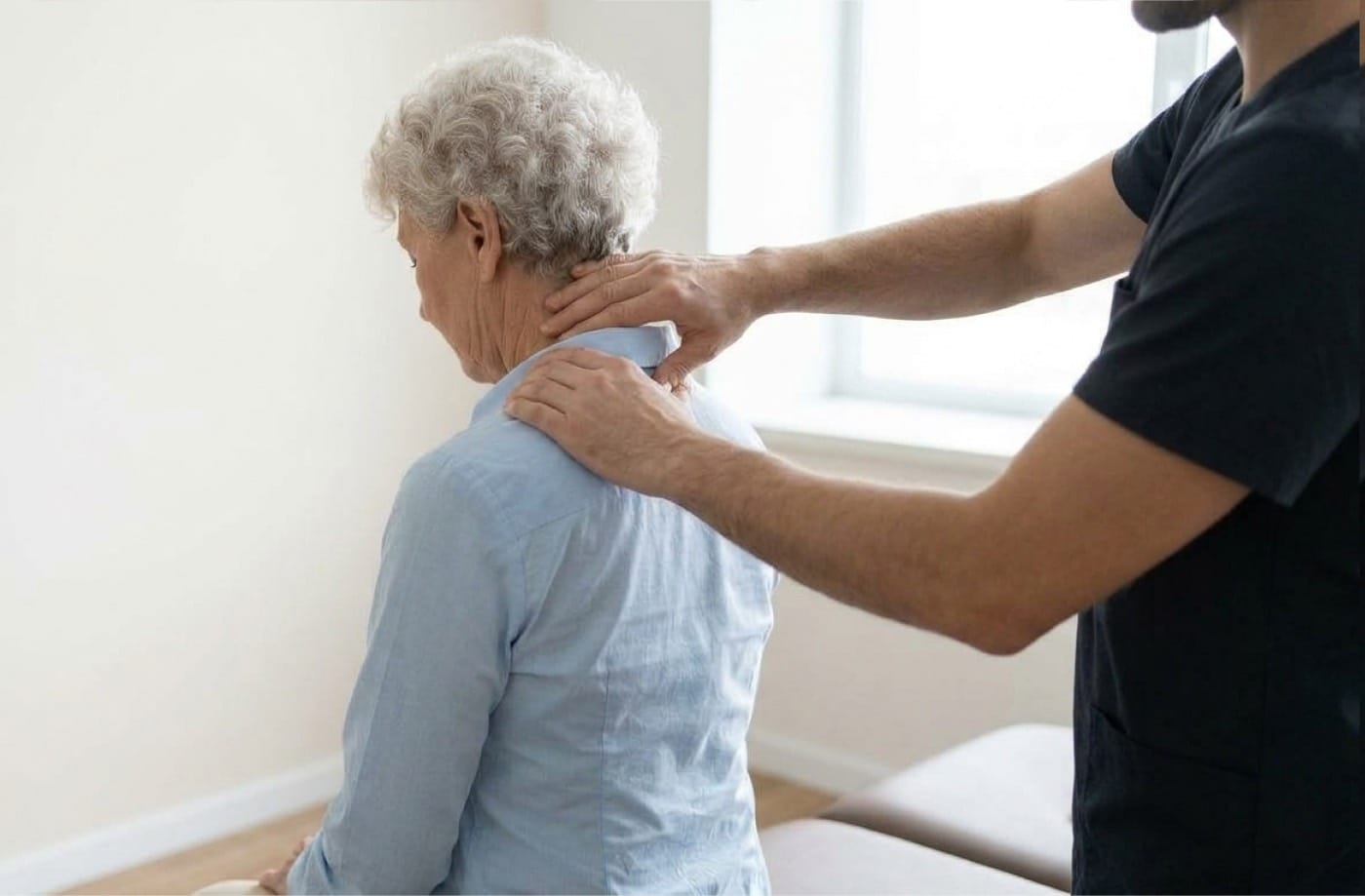
An osteopath in Orpington can assess your symptoms, movement, strength and neurological function and, where appropriate, advise whether further medical investigation or referral is required. You can also find out what to expect from a sciatica assessment at Resilience Osteopathy.
The key message
Sciatica describes a pattern of nerve-related symptoms. It does not tell you what is causing them. A disc problem is one possible cause, but it is not the only one. An assessment can help establish whether a nerve is involved and whether further investigation is needed.
Frequently Asked Questions
Is all pain down the leg sciatica?
No. Pain can travel into the buttock or leg for several reasons. Assessment is needed to determine whether a nerve root is involved.
Does sciatica always mean I have a slipped disc?
No. A disc problem is a common cause, but other conditions, including narrowing around the nerves in the spine, can also cause sciatica.
Should I rest if I have sciatica?
Complete rest is usually not recommended. Try to remain reasonably active and continue normal activities as much as your symptoms allow.
When is sciatica an emergency?
Seek urgent medical help if you develop numbness around the genitals or bottom, new difficulty starting or controlling urination, loss of bowel control, or severe or worsening weakness or numbness affecting both legs. These symptoms require urgent hospital assessment.

How Resilience Osteopathy may help with sciatica
If pain down your leg is making everyday activities difficult and you’ve been advised it’s suitable for routine care, you can book an assessment to discuss your symptoms and next steps.
References
- National Institute for Health and Care Excellence. Low back pain and sciatica in over 16s: assessment and management. NICE guideline NG59 [Internet]. London: NICE; 2016 [updated 2026 Jul 29; cited 2026 Nov 24]. Available from: https://www.nice.org.uk/guidance/ng59 ↩︎
- NHS. Sciatica [Internet]. London: NHS; [reviewed 2024 Dec 3; cited 2026 Nov 24]. Available from: https://www.nhs.uk/conditions/sciatica/ ↩︎
- NHS Inform. Sciatica [Internet]. Scotland: NHS Inform; [cited 2026 Nov 24]. Available from: https://www.nhsinform.scot/illnesses-and-conditions/muscle-bone-and-joints/neck-and-back-problems-and-conditions/sciatica/ ↩︎

Why people choose Resilience Osteopathy

Your symptoms, concerns, work, sport and daily activity all matter. Care is tailored to you and your individual goals.

Hands-on
osteopathic treatment
Treatment may include hands-on techniques to support comfort, mobility and movement, depending on your assessment findings.

Read about
sciatica treatment
Find out more about osteopathic care for sciatica in Orpington and what treatment may include.

Assessment and diagnosis
where appropriate
Your appointment includes a case history and physical assessment to help understand what may be contributing to your symptoms.