
Pre-season rugby: managing training load and reducing injury risk
As rugby players return to pre-season, excitement is understandably high. Players are eager to get back on the pitch, coaches are looking to build fitness, and everyone is focused on preparing for the season ahead.
From a clinical perspective, however, the opening weeks of pre-season are often when we begin to see the first signs of overload.
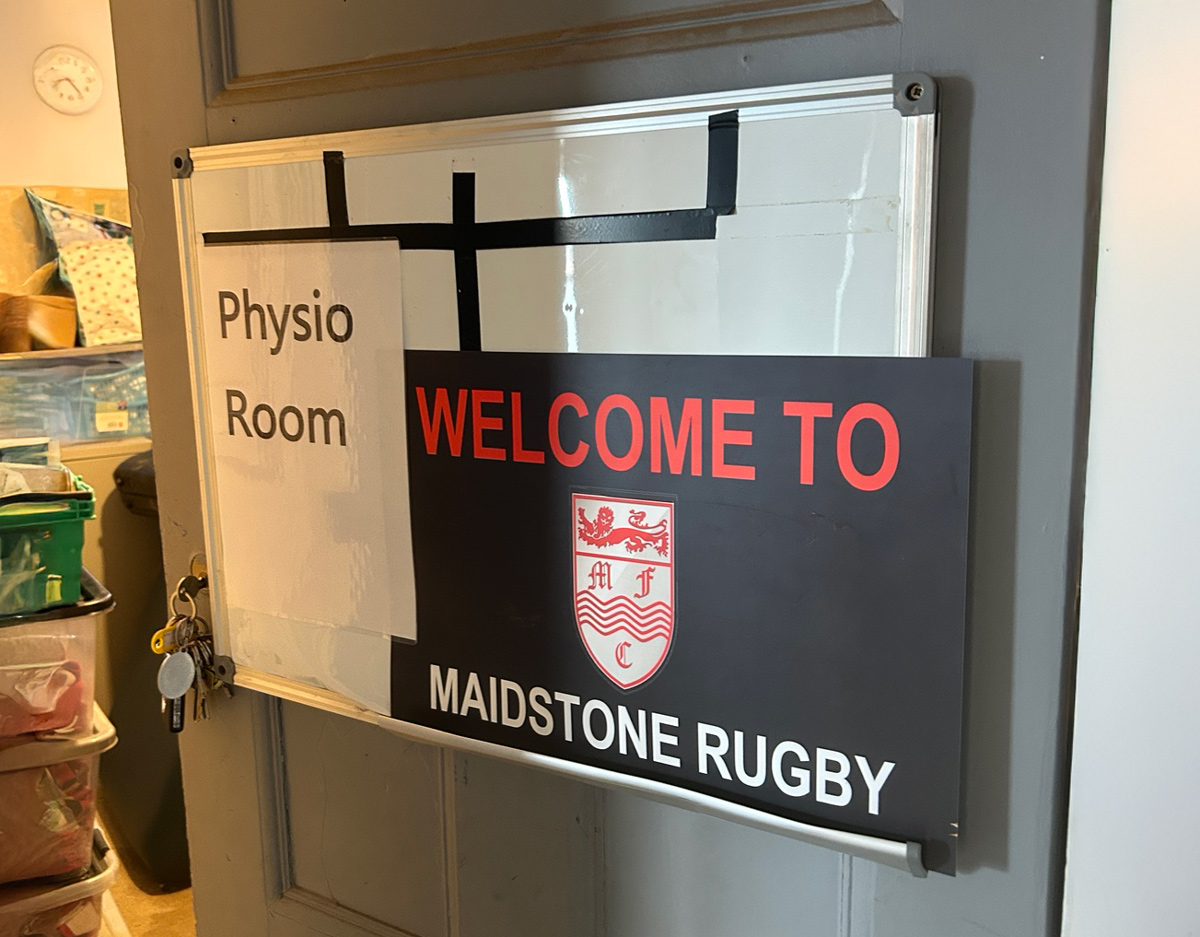
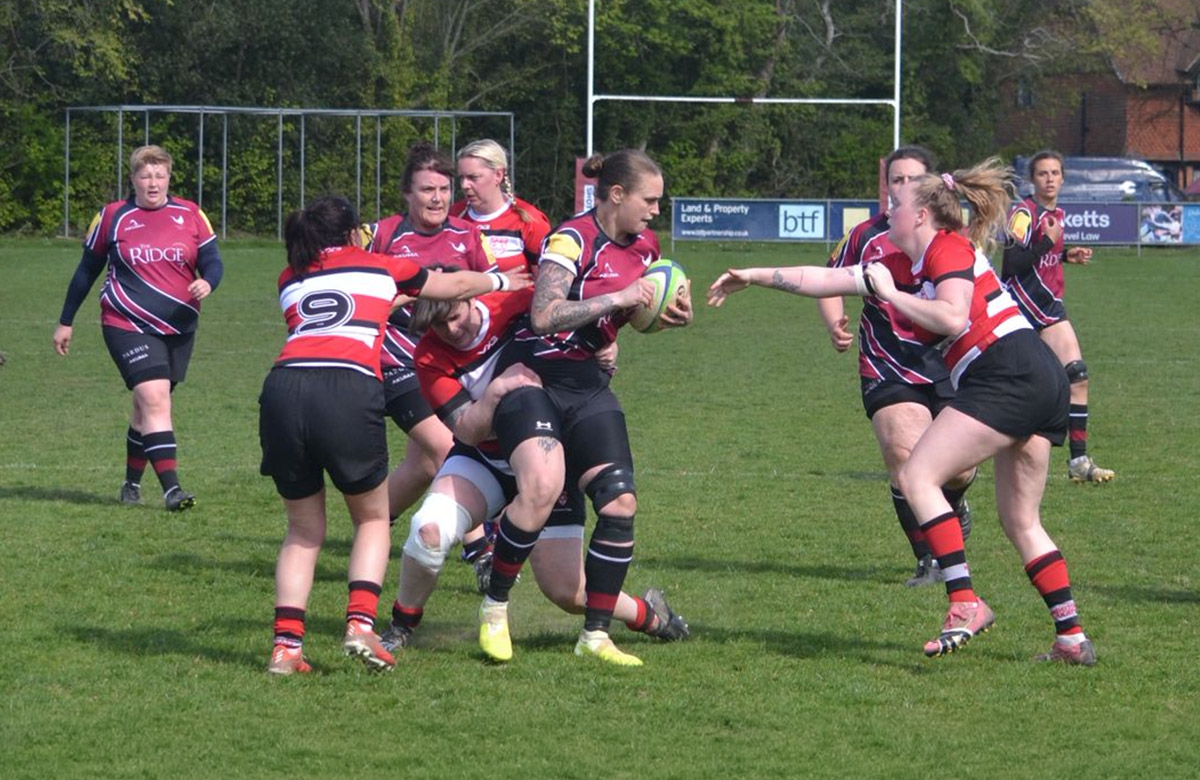
Working as both a Registered Osteopath and providing pitch-side support at Maidstone Rugby Club allows me to see these patterns develop first-hand. Every season serves as a reminder that injuries rarely happen without reason. More often than not, they develop when muscles, tendons and joints are asked to do more than they are currently prepared for.
Why is pre-season such a high-risk period?
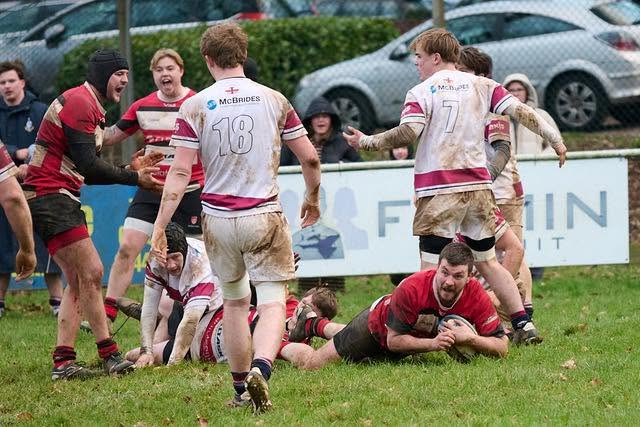
Many players return after several weeks away from structured rugby training. While some have stayed active in the gym or continued running, very few have maintained the specific physical demands of rugby, including:
- Sprinting
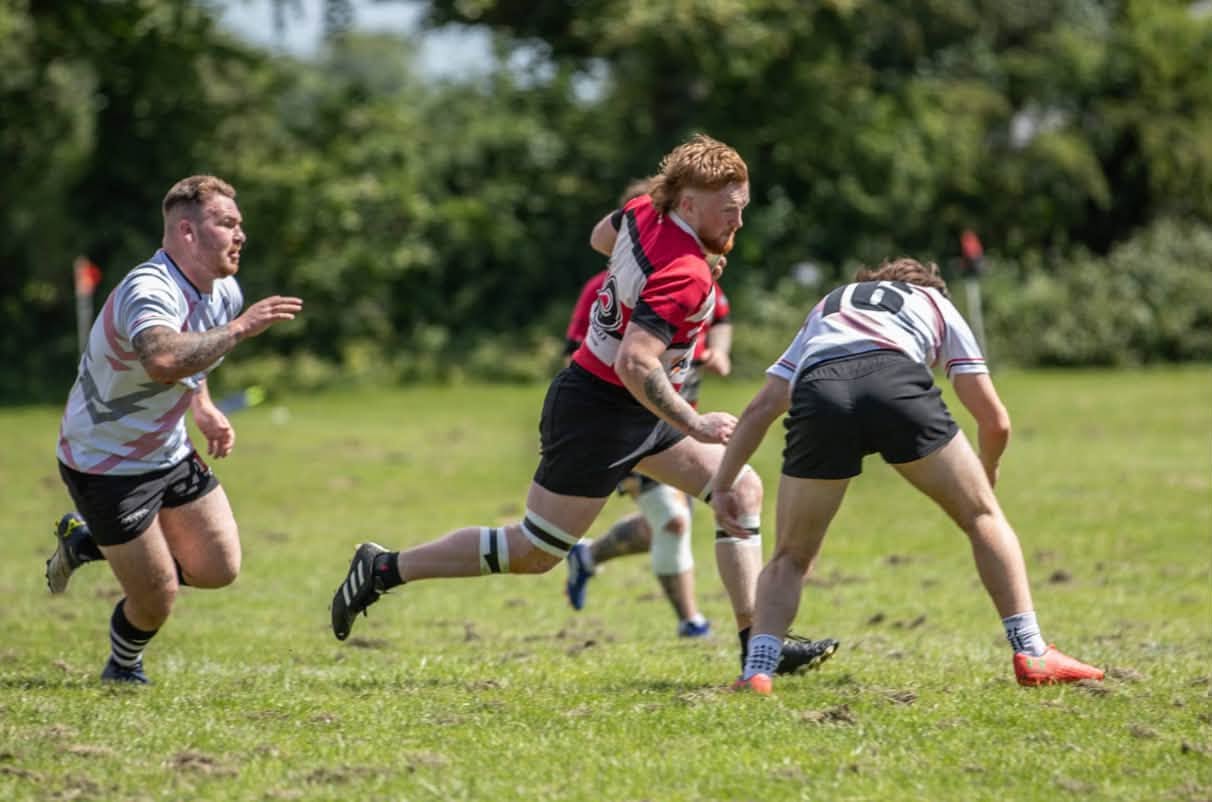
- Repeated accelerations and changes of direction
- Tackling and contact work
- Scrummaging
- High-speed running
- Repeated training sessions with limited recovery
The cardiovascular system often adapts more quickly than the body’s tissues. A player may feel fit enough to train hard, while their muscles, tendons and joints are still adapting to the increased workload.
This is why sensible training progression and load management are so important during the early weeks of pre-season.
Common problems seen during pre-season
Although every player is different, several injuries and conditions commonly appear during the first few weeks of training, including:
- Calf strains
- Groin strains
- Hamstring injuries
- Achilles tendon irritation
- Shoulder injuries following contact
- Neck and lower back stiffness
- General muscle soreness and fatigue
Not every ache or pain is a cause for concern, but persistent symptoms shouldn’t simply be ignored in the hope that they will settle on their own.
Recovery is part of performance
One of the biggest misconceptions in sport is that recovery begins once training has finished. In reality, recovery is part of the training process itself.
Simple habits can make a significant difference throughout pre-season:
- Prioritising good quality sleep
- Staying well hydrated
- Eating enough protein and carbohydrates to support recovery
- Performing appropriate mobility work
- Gradually increasing training intensity
- Addressing small problems before they become bigger ones
Players are often reluctant to mention niggles because they don’t want to miss training. In many cases, seeking advice early allows a minor issue to be managed before it develops into something that requires time away from the game.
My role within the rugby environment
Providing osteopathic care within a rugby club involves much more than responding to injuries during a match.
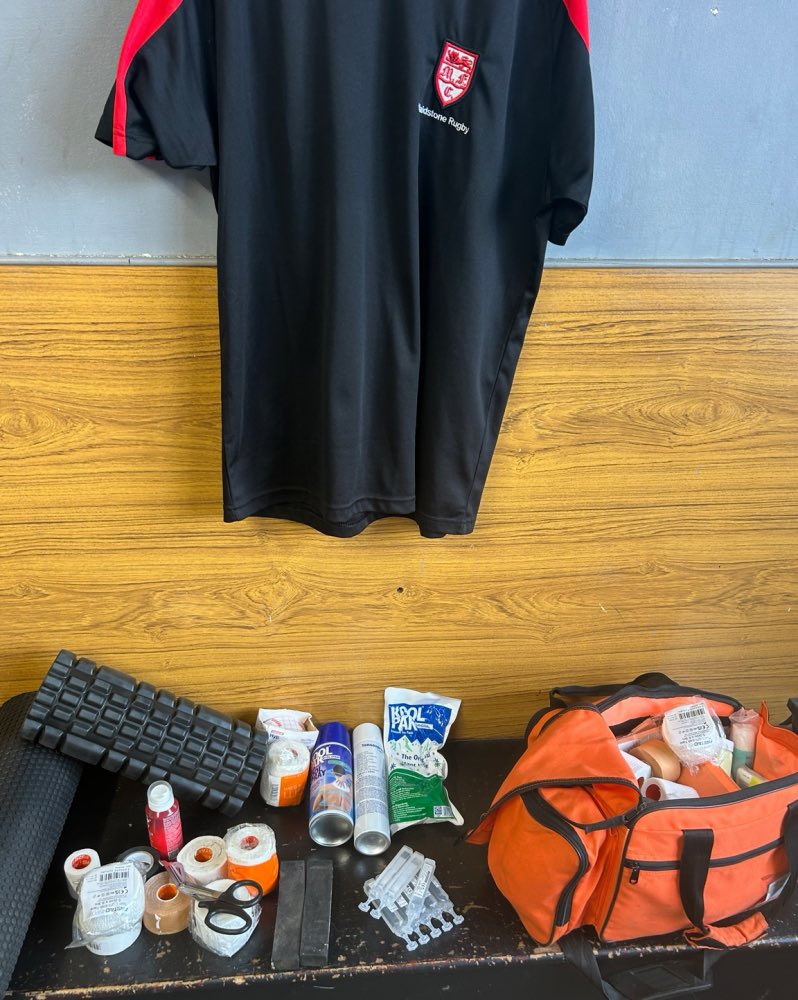
It includes supporting players throughout training, assessing developing injuries, providing treatment where appropriate, advising on rehabilitation and helping players return to training safely and confidently.
The aim is always to keep players performing at their best while reducing the risk of preventable injuries.
When should you seek professional advice?
You should consider seeking assessment if:
- Pain is getting progressively worse.
- Symptoms are affecting your running or performance.
- Pain is present during everyday activities such as walking.
- You develop swelling, bruising or instability.
- Symptoms continue despite several days of rest and appropriate self-management.
- The same injury keeps returning.
Early assessment and appropriate treatment can often prevent a relatively minor issue from becoming a much longer period away from training or competition.
Final thoughts
Pre-season lays the foundations for the months ahead. Building fitness is important, but so is allowing your body time to adapt to increasing training demands.
Training hard is essential – but training smart is what helps players stay available throughout the season.
Whether you’re playing grassroots rugby, returning after injury or preparing for another competitive season, investing in your recovery, managing training load and addressing injuries early can make all the difference.
About the author
David Hanaie M.Ost is a Registered Osteopath and founder of Resilience Osteopathy in Orpington. Alongside treating patients in clinic, David provides pitch-side support at Maidstone Rugby Club, assessing and managing rugby-related injuries while helping players recover safely and perform at their best. His approach combines evidence-informed osteopathic care with practical experience working in a demanding sporting environment.

Why people choose Resilience Osteopathy

Your local
Orpington osteopath
Your symptoms, concerns, work, sport and daily activity all matter. Care is tailored to you and your individual goals.

Hands-on
osteopathic treatment
Treatment may include hands-on techniques to support comfort, mobility and movement, depending on your assessment findings.

Read about
rehabilitation exercises
Find out more about osteopathic care for rehabilitation exercises in Orpington and what treatment may include.

Assessment and diagnosis
where appropriate
Your appointment includes a case history and physical assessment to help understand what may be contributing to your symptoms.