
Sciatica
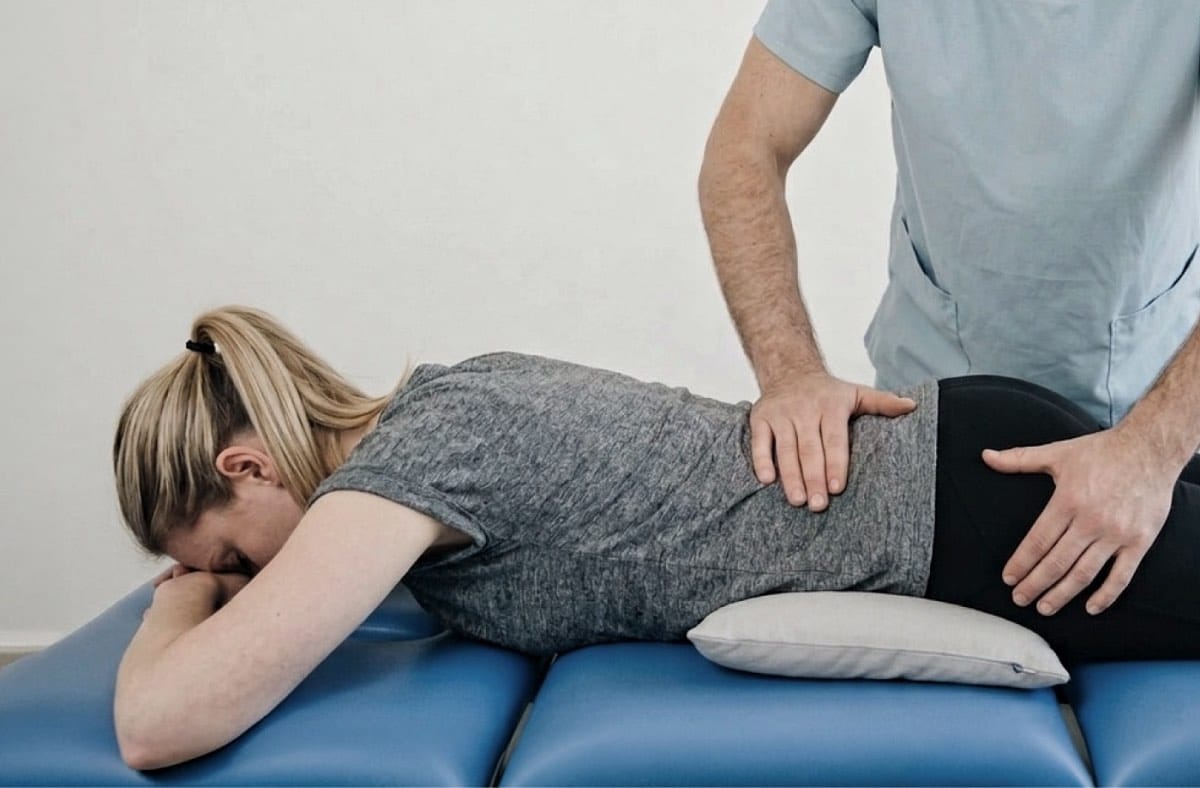
At Resilience Osteopathy in Orpington, we provide appointment-only osteopathic care for sciatic-type pain, including symptoms that may travel from the lower back into the buttock, hip, thigh or leg.
- Lower back and leg pain
Pain that may begin in the lower back and travel into the buttock, hip, thigh or leg. - Tingling or numbness
Symptoms such as tingling, pins and needles or numbness that may be felt into the leg or foot. - Pain with sitting
Discomfort that may feel worse with sitting, driving, bending or staying in one position for too long. - Movement-related symptoms
Sciatic-type discomfort linked with lifting, twisting, sport, work demands, posture or activity changes.
Osteopathic care for sciatica in Orpington
Sciatic-type pain can be uncomfortable, frustrating and limiting. Symptoms may be felt alongside lower back pain, or into the buttock, hip, thigh, calf or foot, and may sometimes include pain, tingling, numbness or a feeling of irritation travelling into the leg.
Some people notice symptoms after lifting, bending, sitting for long periods, training, driving or a sudden movement. Others find that symptoms build gradually over time and begin to affect walking, sitting, sleeping, work, exercise or everyday activity.
At Resilience Osteopathy in Orpington, care begins with a clear assessment to understand your symptoms, how they started, what affects them and what may be contributing to the problem. Treatment is tailored to you and may include hands-on osteopathic care, movement advice, posture guidance and rehabilitation exercises where appropriate.
How osteopathy may help
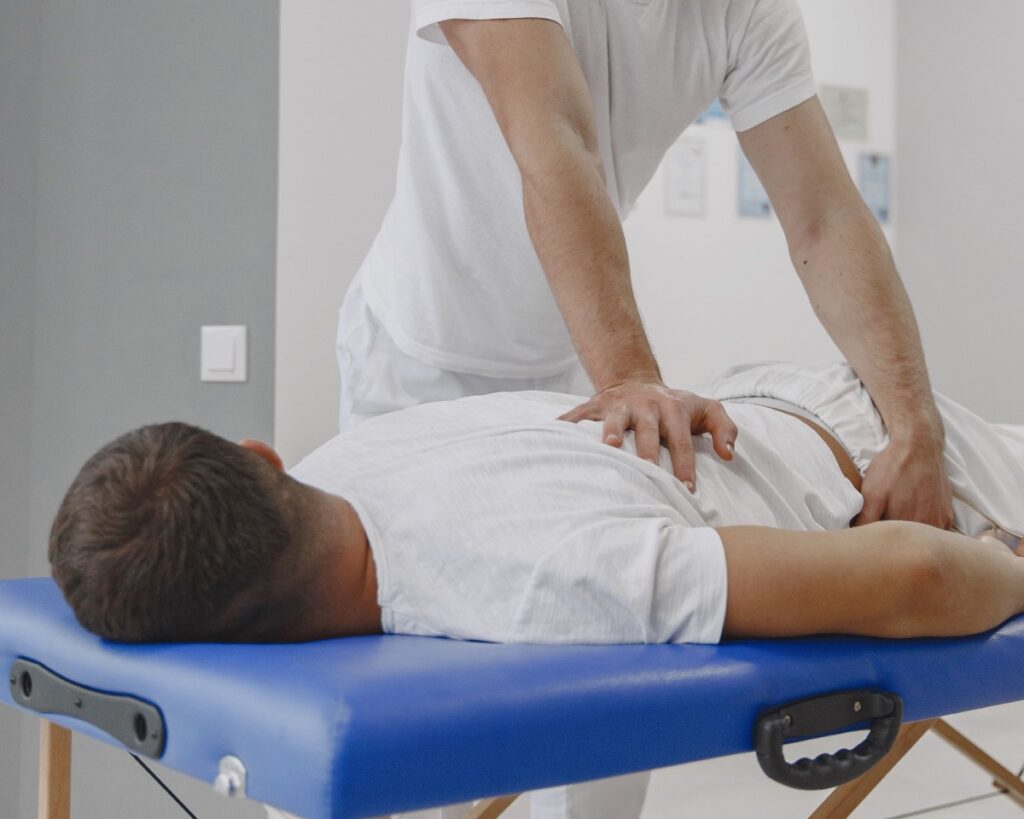
Osteopathic care looks at how your lower back, pelvis, hips, muscles, joints, posture and movement may be contributing to sciatic-type symptoms. The aim is to understand the bigger picture and provide care that is appropriate to your presentation.
Your appointment may include hands-on osteopathic treatment to support mobility and comfort, along with advice to help you manage symptoms between appointments. Where appropriate, you may also be given simple rehabilitation exercises to support movement, strength and confidence.
Treatment is always based on your assessment findings, symptoms, goals and general health. If your symptoms suggest that medical review or further investigation is needed, you will be advised appropriately.
What to expect at your appointment

Case history
We discuss your symptoms, health history, work, activity levels, previous injuries and what you want to get back to

Assessment
Your movement, posture, back, hips, pelvis and related areas may be assessed to help understand contributing factors

Treatment and advice
Where appropriate, care may include hands-on treatment, movement advice and tailored exercises to support recovery

Support for everyday life, work and sport
Sciatic-type pain can affect people in different ways. For some, it may make sitting, driving, bending or lifting more difficult. For others, it may interfere with walking, sleep, training, sport or simply getting through normal daily activity.
Resilience Osteopathy supports people in Orpington who want clear advice, practical treatment and a plan that fits their lifestyle. The aim is to help you understand your symptoms, move more confidently and return to everyday activity, work or sport in a realistic way.
Why people choose Resilience Osteopathy

Patient-centred
care in Orpington
Your symptoms, concerns, work, sport and daily activity all matter. Care is tailored to you and your individual goals.

Hands-on
osteopathic treatment
Treatment may include hands-on techniques to support comfort, mobility and movement, depending on your assessment findings.

Support through
exercise
You may be given simple rehabilitation exercises or movement advice to help support recovery between appointments.

Regulated
osteopathic care
Osteopathy is a regulated healthcare profession in the UK, supported by assessment, clinical reasoning and clear communication.
Common questions
Can osteopathy help with sciatica?
Osteopathic care may help some people with sciatic-type symptoms by assessing factors such as movement, joint mobility, muscle tension and loading through the lower back, pelvis and hips. Treatment is tailored to your individual presentation and may include hands-on treatment, movement advice and rehabilitation exercises where appropriate.
What causes sciatica?
Sciatica describes symptoms caused by irritation or compression of the sciatic nerve or the nerve roots that contribute to it. Causes can include changes affecting the discs or joints of the lower back, although symptoms and contributing factors can vary from person to person.
How long does sciatica take to improve?
Recovery times vary depending on the cause, severity and duration of your symptoms. Some episodes improve over several weeks, while others may take longer. Your progress can be reviewed during treatment and your management plan adjusted according to how you respond.
Should I keep moving if I have sciatica?
In many cases, gentle movement and remaining reasonably active can be helpful. Prolonged bed rest is generally not encouraged. The amount and type of activity that is appropriate will depend on your symptoms, and you may be given advice about walking, exercise, work or training during your appointment.
Do I need an MRI scan for sciatica?
Not everyone with sciatic-type symptoms needs an MRI scan. Your history and physical examination can often provide useful information about what may be causing your symptoms. If your presentation suggests that imaging, medical assessment or specialist referral may be appropriate, this will be discussed with you.
When should I seek urgent medical attention for sciatica?
Seek urgent medical assessment if sciatic symptoms are accompanied by new difficulty controlling your bladder or bowel, numbness around the genitals or buttocks, significant or worsening weakness in the legs, or symptoms affecting both legs. These can occasionally indicate a more serious problem that requires urgent investigation.
Not sure when sciatica should be checked?
Read our guide to when back or leg symptoms may be worth getting checked and when medical assessment may be needed.

Book sciatica treatment appointment in Orpington
If sciatic-type pain, stiffness or leg symptoms are affecting how you move, work, train or manage everyday life, contact Resilience Osteopathy to arrange an appointment.
Appointments are available by prior booking only.
Private Medical Insurance