
Achilles tendinopathy
Appointment-only osteopathic care for Achilles pain, morning stiffness, ankle discomfort and activity-related Achilles symptoms at Resilience Osteopathy in Orpington.
- Achilles pain
Pain or tenderness around the Achilles tendon, usually felt near the back of the ankle or lower calf. - Morning stiffness
Stiffness or discomfort around the Achilles tendon when first getting out of bed or beginning to walk after resting. - Pain with running or stairs
Symptoms that become noticeable during running, walking uphill, climbing stairs or repeatedly rising onto the toes. - Training-related symptoms
Pain or stiffness during activity, after exercise or following an increase in running, sport or training load.
Osteopathic care for Achilles tendinopathy in Orpington
Looking for Achilles tendinopathy treatment in Orpington? Achilles tendinopathy can make walking, climbing stairs, running and taking part in sport uncomfortable. Symptoms may also affect your confidence when returning to exercise or increasing your training.
Achilles symptoms may develop gradually following changes in running distance, speed, training frequency or intensity. They may also be associated with repeated loading, reduced recovery time, changes in footwear or returning to activity after a period of reduced exercise.
At Resilience Osteopathy in Orpington, care begins with a clear assessment to understand your symptoms, how they started, what affects them and what may be contributing to the problem. Treatment is tailored to you and may include hands-on osteopathic care, movement advice, load management and rehabilitation exercises where appropriate.
How osteopathy may help
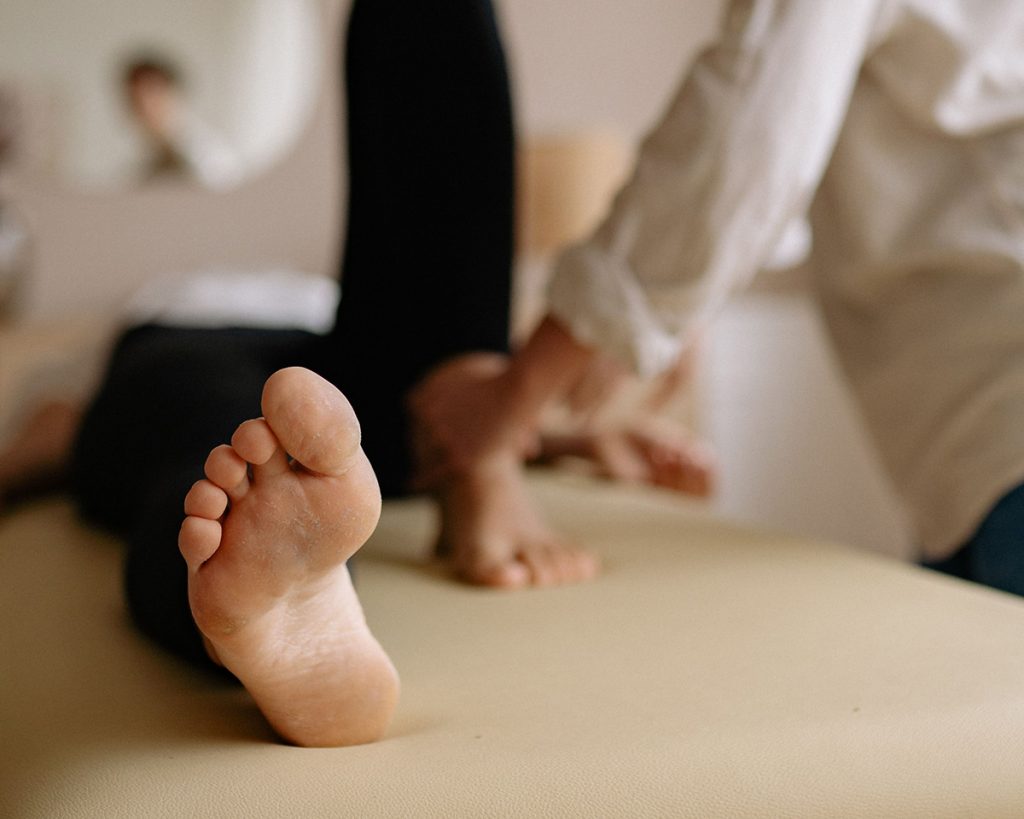
Osteopathic care looks at how the ankle, foot, calf muscles, Achilles tendon, movement patterns and activity demands may be contributing to your symptoms.
Your appointment may include hands-on osteopathic treatment to support comfort, mobility and movement where appropriate. You may also receive advice about training load, recovery, footwear, everyday activity and exercises designed to gradually improve the tendon’s ability to tolerate load.
Care is based on your assessment findings, symptoms, goals and general health. If your symptoms suggest that medical review or further investigation may be needed, you will be advised appropriately.
What to expect at your appointment

Case history
We’ll discuss your symptoms, general health, work, activity, training routine, previous injuries and what you would like to return to doing.
You may be asked when the pain started, whether it is worse in the morning, how it responds to activity and if there have been any changes to your training or footwear.

Assessment
Your assessment may include looking at ankle and foot movement, calf strength, balance, walking and other relevant movements.
The Achilles tendon, calf muscles and surrounding joints may also be assessed to help identify factors that could be contributing to your symptoms.

Treatment and advice
Where appropriate, care may include hands-on osteopathic treatment, movement advice, load guidance and tailored rehabilitation exercises.
The aim is to provide you with a clear and realistic plan that supports your recovery and helps you return to activity gradually.
Support for training, recovery and return to activity
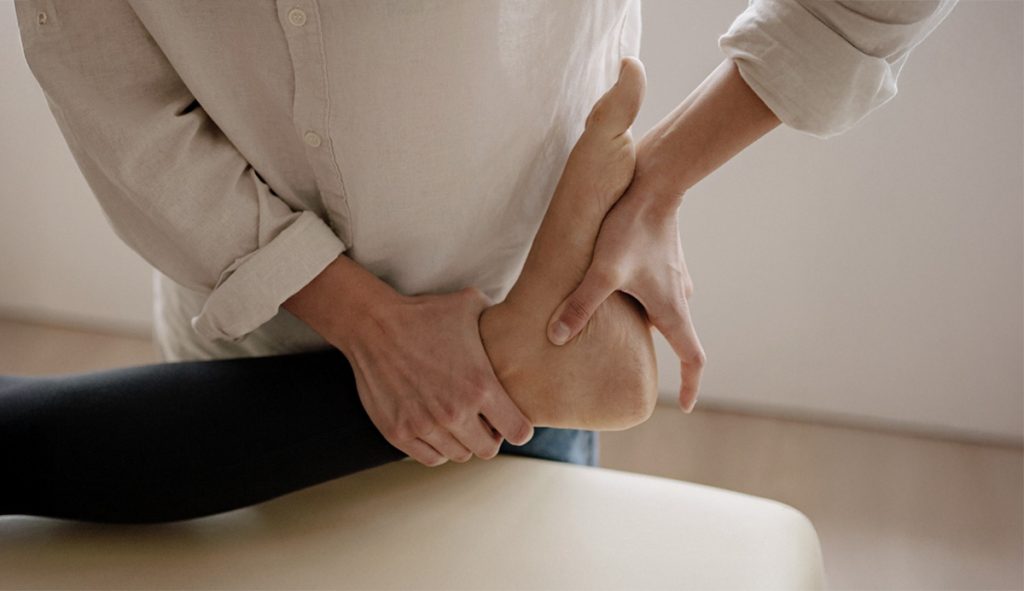
Achilles symptoms can affect walking, running, gym training, field sports and everyday movement. They can also become frustrating when symptoms improve temporarily but return after activity increases.
Resilience Osteopathy supports people in Orpington who want clear advice, practical treatment and a plan that fits their lifestyle.
You may receive guidance on how to temporarily adjust your activity without necessarily stopping all exercise. Your rehabilitation plan may then be progressed gradually according to your symptoms, movement, strength and goals.
The aim is to help you understand your symptoms, move more confidently and return to everyday activity, running or sport in a realistic way.
Why people choose Resilience Osteopathy

Patient-centred
care in Orpington
Your symptoms, concerns, work, sport and daily activity all matter. Care is tailored to you and your individual goals.

Hands-on
osteopathic treatment
Treatment may include hands-on techniques to support comfort, mobility and movement, depending on your assessment findings.

Support through
exercise
You may be given simple rehabilitation exercises or movement advice to help support recovery between appointments.

Regulated
osteopathic care
Osteopathy is a regulated healthcare profession in the UK, supported by assessment, clinical reasoning and clear communication.
I am very grateful to have found Resilience Osteopathy and to be under David’s care. The sessions are very helpful because the treatment is very effective. Also because of how thorough he is on explaining what caused the concern, how the treatment works and how this helps to relieve the body. From the very first session I felt a marked relief in my feet and calves for the pain caused from my plantar fasciitis and Achilles tendinopathy. Sessions can be uncomfortable but David’s approach is very gentle and takes a lot of care to not go beyond what can be painful. Also exercises at home are very straightforward.
Abril Google Review
Common questions
What causes Achilles tendinopathy?
Achilles tendinopathy commonly develops when the tendon is repeatedly exposed to more load than it can currently tolerate or adapt to. This may follow a sudden increase in running, walking, jumping, hill training or overall exercise intensity.
Changes in footwear, training surfaces, recovery time, calf strength and ankle movement may also contribute. In some cases, general health, certain medications and other individual factors may influence tendon health. The exact cause is not always clear.
Will Achilles tendinopathy heal without treatment?
Milder symptoms may improve after sensible changes to activity and training load. However, simply resting the tendon may not restore its ability to tolerate walking, running or sport.
Persistent Achilles tendinopathy commonly benefits from a gradual strengthening and tendon-loading programme. An assessment can help identify aggravating activities and provide guidance on how to manage your activity while progressively rebuilding strength and confidence. Tendon-loading exercise is recommended as a first-line part of rehabilitation.
Can I still run with Achilles tendinopathy?
You may not always need to stop running completely, but this depends on how irritable the tendon is and how it responds during and after activity.
Running distance, speed, hills or frequency may need to be temporarily reduced. If running causes a significant increase in pain, limping or greater stiffness the following morning, the current load may be too high. Cycling, swimming or other lower-impact exercise may help maintain fitness while the tendon’s tolerance is gradually rebuilt.
How long does Achilles tendinopathy take to recover?
Recovery time varies depending on how long symptoms have been present, their severity, your general health and the activities you want to return to.
Some people notice improvements within several weeks, but rebuilding tendon strength and returning fully to demanding activity often takes several months. Guy’s and St Thomas’ NHS Foundation Trust advises that many people require approximately six to nine months of rehabilitation before returning to full activity without pain. Flare-ups can occur during recovery and do not necessarily mean that the tendon has been damaged again.
Should I stretch an Achilles tendon that is painful?
Stretching may be helpful for some people, particularly where calf stiffness is contributing, but it should not be forced or significantly increase your pain.
The appropriate exercise may depend on whether symptoms affect the middle of the tendon or the lower attachment near the heel. Some heel-drop stretches performed over the edge of a step may aggravate insertional Achilles tendinopathy. It is therefore sensible to have the condition assessed before beginning an intensive stretching or exercise programme.
When should I see an osteopath about Achilles pain?
Consider arranging an assessment if Achilles pain or morning stiffness is persisting, repeatedly returning or affecting your walking, work, running or sport.
An osteopathic assessment can look at the tendon, calf, ankle and foot, as well as your movement, strength and recent activity levels. Care may include hands-on treatment, load-management advice and a tailored rehabilitation plan where appropriate.
Seek urgent medical assessment rather than waiting for a routine appointment if the pain began with a sudden snap or popping sensation, significant swelling or bruising, or if you cannot push off the foot or rise onto your toes.

Book Achilles tendinopathy treatment in Orpington
If Achilles pain, morning stiffness or activity-related symptoms are affecting how you walk, work, run or train, contact Resilience Osteopathy to arrange an appointment.
Appointments are available by prior booking only.
Private Medical Insurance